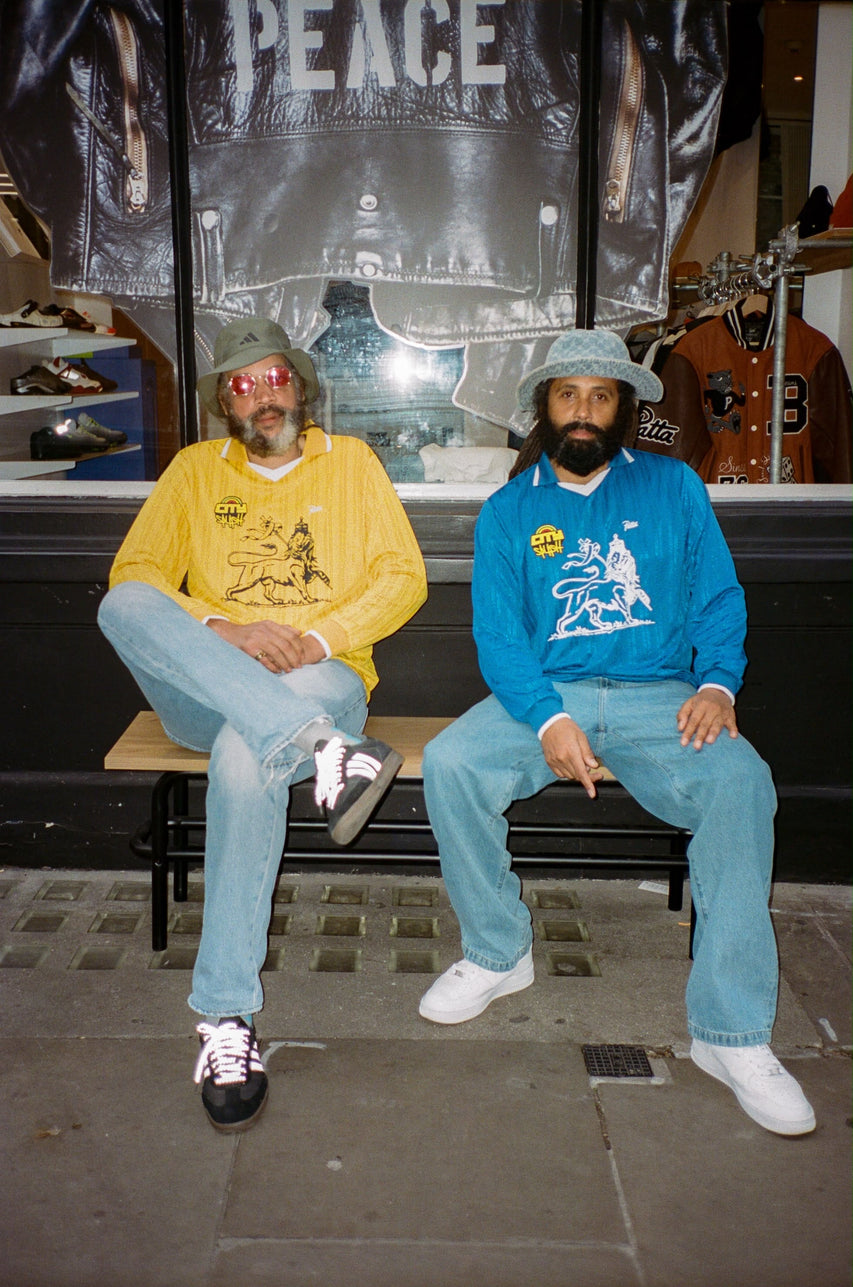
Get Familiar: City Splash
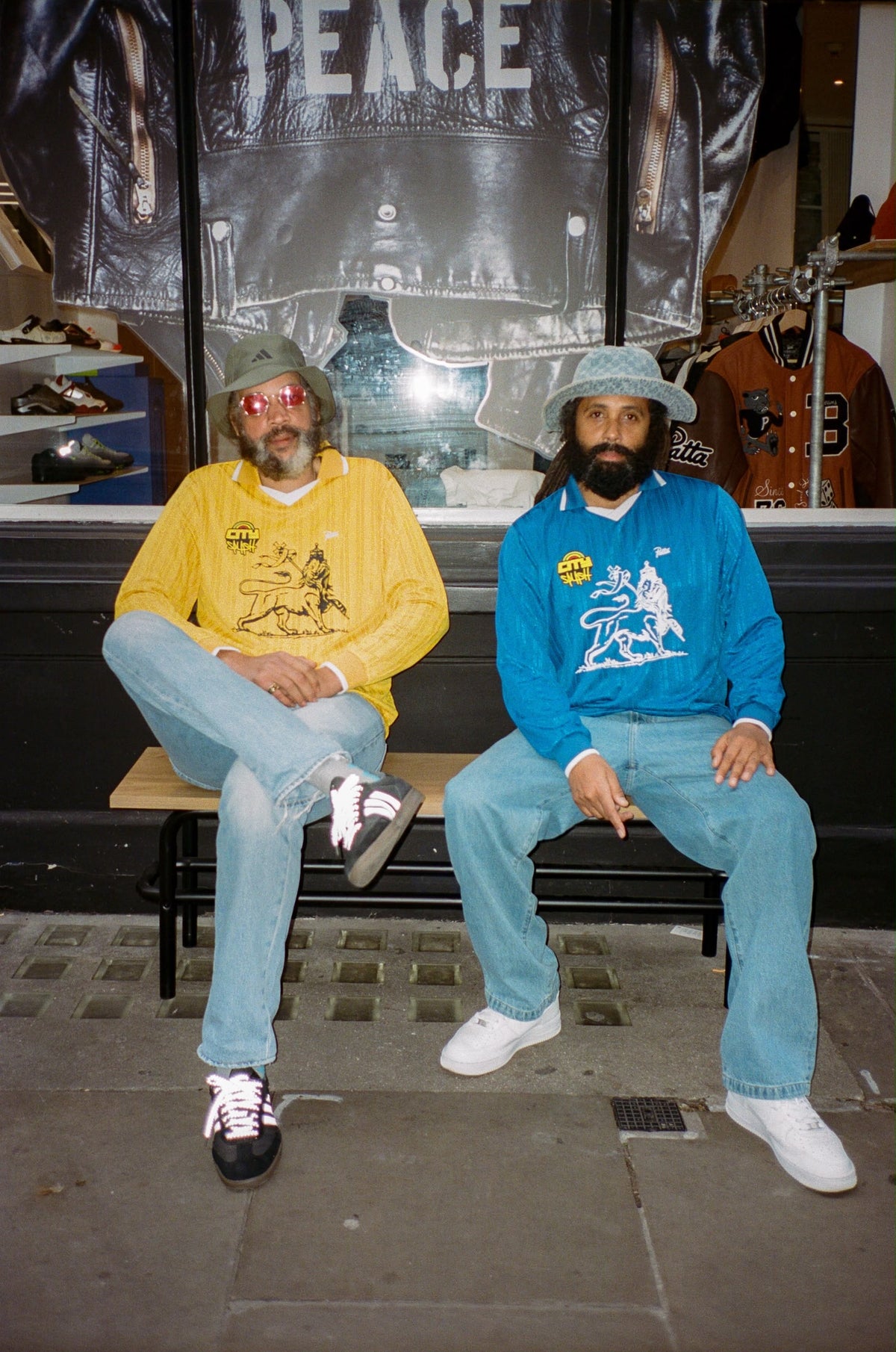
Words by Passion DEEZ
Ask Ben Ryan and Biggs what success looks like, and they won’t start with ticket sales. They’ll tell you about a food trader earning enough to pay for specialist care for their child, or the feeling of walking into a local sound system dance and still being embraced by the community. That approach sits at the heart of City Splash. Long before the festival, there were two young people working in shops opposite each other in Dalston, surrounded by Caribbean culture and families who understood the importance of making space for others. Years later, those shared foundations continue to shape their work.
From the family connections behind Rockers LDN to City Splash’s Rise Up artist development programme, their relationship with music extends well beyond what happens on stage. Supporting the people who make the culture possible is part of the same responsibility as celebrating it. With a collaborative Patta jersey bringing our communities closer together, and another City Splash takeover of DRUMSHEDS approaching, we caught up with Ben and Biggs to discuss intergenerational dancefloors, staying connected to Jamaica, putting money back into the community and why platforming an artist is very different from “discovering” one. Get familiar below.
Before we get into City Splash, let’s talk about the people behind it. What were your upbringings like, and how did those communities shape what you do today?
Ben: I was raised by my mum in Dalston, London. It was an eclectic mix of cultures and ethnicities, everybody pitching in together. Dalston had a very strong Caribbean community, which had a big impact on what I was exposed to. My mum’s work was also heavily rooted in Black community activism.
She was one of the founders of a community centre called Inkworks in St Paul’s, Bristol, which later became Kuumba. It was a centre for the local Caribbean community with a Black bookshop and library, a mother-and-toddler crèche, rehearsal spaces and a space where the local Twelve Tribes community would gather. It was a real central point for the community.
When she moved to London and had me, she worked at Centerprise, the bookshop on Kingsland High Street in Dalston. That was a meeting place, a bookshop and a café. Those were the kinds of spaces and the kind of work I was exposed to growing up.
Biggs: I came to England when I was about 11. I grew up in a Jamaican household, then moved to Dalston, so Ben and I are from the same neighbourhood. It was a very Caribbean, artistic, creative area. It’s still creative, but the Caribbean presence isn’t the same as it was.
Music was very important in our household. My dad was one of the people running the Rockers International reggae label, working with both up-and-coming and established artists. Those were the people I grew up admiring and wanting to be like: Rastafarian musicians and artistic types.
Then, coming to the UK, reggae remained the theme tune of our lives and our daily movements. It was something I was very interested in, and we already had connections in the industry, so it wasn’t such a difficult thing to get into.
How did your paths first cross?
Ben: We both worked in the same shopping centre in Dalston, in shops literally opposite each other. You can’t tell from this interview, but Biggs is six foot seven. He was born that big, so he was quite an intimidating character when we were teenagers. I used to try to get in and out of the shop without seeing him. I’m joking!
Biggs: We used to see each other, but it was years later that we properly reconnected. We were from the same neighbourhood and working in the same business, so there was a lot of synergy. The universe brought us together a few times, from our teenage days to our late twenties and then our thirties. We really started doing things together around 15 years ago.
Ben: We were running separate events in the same venue, which had very artistic, world and Black music-focused programming. A friendship and a brotherhood evolved out of that. Eventually, we realised we shared so many values and saw things in similar ways. We thought, imagine what we could do if we collaborated.

London has lost so many of the community spaces that helped bring people together. What do you think is at risk when those spaces disappear?
Ben: Growing up in the eighties, there was an abundance of artistic, cultural and community spaces that our community had access to or operated. That included physical buildings, but also parks and open spaces.
That was where we were at our strongest. We could be together in a multigenerational way, with the grandchildren and the grandparents all in the same place. Over the years, through reduced funding, changes in communities and people moving out of areas, those spaces became fewer and fewer.
For those of us who have been part of Dalston, Hackney and north-east London for a long time, that reduction is very noticeable. Of course it has a negative impact. We need places to celebrate our culture, feel proud, have good times and support one another. With fewer spaces, there are fewer moments where we can do that together.
Biggs: This is something we discuss often. Those spaces didn’t just foster culture; they created culture. Look at the different booms in Black British music: lovers rock, jungle, house and garage, UK hip-hop, grime. Community centres and youth centres were part of that.
Culture isn’t stagnant. It’s constantly flowing, and it needs spaces where it can be created. When there are fewer gathering spaces, you feel that in the culture itself.
City Splash brings together people who grew up with this music and people discovering it for the first time. How important is that exchange between generations?
Ben: It’s everything. With City Splash, we haven’t invented anything new. We’re holding the torch for this particular moment, and then we’ll pass it to the next generation or the next custodian of the space.
For me, Notting Hill Carnival is the greatest event. It’s such a beautiful example of multigenerational togetherness for the culture. We looked at it and thought, there’s the model. One weekend a year was never enough to celebrate all of that greatness, particularly with so many all-dayers and community spaces disappearing.
City Splash is our contribution. You could see it as a piece of activism: recognising what works and trying to create another space for it. In terms of the different elements that bring generations together, you could almost look at it as a mini carnival.
You mentioned that your trips to Jamaica helped shape City Splash. What did those experiences give you as programmers and community builders?
Biggs: We were already hanging out and doing smaller events together. I was going to Jamaica often, and then Ben started coming for Reggae Month. We’d be there thinking, this vibe is so upful, so great. Why don’t we have something like this in London?
It wasn’t about replicating something. It was about bringing the music, the culture and the things we enjoyed to people in London. Reggae and dancehall aren’t one thing. The culture changes, the language changes, the dances change and the way people consume the music changes. We stay connected to those changes because we’re regularly at the source.
Ben: Those trips were life-changing. Biggs was born and raised in Kingston, and I would hear his stories when he came back to London. I knew I needed to experience it.
We’ve been going together for around ten years, spending February in Kingston for Reggae Month. We listen to new artists, build relationships with existing artists and find out what’s happening in the music. It’s inspiring.
There was a magic we were experiencing that we weren’t seeing in London. We started throwing parties in that spirit, asking how we could bring some of it back.

How much of that energy comes from bringing the music outside?
Biggs: This is outdoor music and an outdoor culture. Caribbean music is loud, exuberant and showy. It doesn’t always work best in confined spaces.
Bringing the music back outside is one of the reasons City Splash has connected with people. It’s gone beyond being an event. For people of different ages who are into African and Caribbean music in London, going to City Splash has become part of the culture. Some people decide on the day: “You going City Splash?” “Yeah, man, of course.”
I think a big part of that is bringing the music back into the environment where it works best.
Biggs, your work in reggae goes back much further than City Splash. How did loving the music turn into making things happen behind the scenes?
Biggs: I literally started by putting vinyl into sleeves for the family record label, selling records, tapes and CDs. Reggae wasn’t something I really saw as a business. It was a lifestyle.
As a teenager and in my early twenties, I would go to reggae festivals around Europe and think, this is magnificent. I never imagined I would be part of something on that scale myself. It really is a blessing and a dream come true.
We do events and connect with artists, but sometimes I don’t even put a title on what I’m doing. Someone will say, “You’re the events producer for this,” and I’ll think, am I? You invite the photographer, link up with that person and bring those people together. That’s events production, but sometimes you’re simply doing those things for friends.
I’m in New York at the moment, meeting with Buju Banton and his team to see what we can do around their UK tour. I’m also going to link with Nesta, a former Rise Up artist, in the studio. Some of these things don’t even feel like a job to me. I’m realising I probably need to start seeing them that way, but it’s just how we’re living.
Your work with NTS included broadcasting from the Rockers International record shop in Kingston. What can radio do that a physical community space can’t?
Biggs: I haven’t had the NTS show for a few years, simply because I don’t have the time to manage a regular show now. But what it taught me was how to connect with an entirely different audience: people with no previous experience of reggae, dancehall or Jamaican culture.
We want to feed the converted, but we also want to create interest among new listeners, producers and people who might become part of the wider ecosystem.
My connection with NTS came through something we produced in Jamaica with them and Island Records. We broadcast from the Rockers International record shop and brought in lots of artists, some of whom were emerging at the time. I’d done something similar with Toddla T through the Jamaica Cypher, which featured Shenseea.
I would never call that “discovering” artists, though. That’s like Christopher Columbus discovering the Caribbean. You’re noticing something that’s already there and using your platform to help expand it. Something is already in motion, and you’re helping to pave the road and make it smoother.
Radio is amazing for connecting people to the music and the culture. I keep saying culture because, to me, this is more than music. It’s a lifestyle. It’s food, style and fashion.
It isn’t something we package up and sell. We’re involved in the wrapping paper, the bow, the box, what goes inside the box, the stamp and the postage. Everything.
City Splash has helped raise over £100,000 for Caribbean hurricane relief, alongside supporting charities closer to home. How has that work developed?
Ben: As much as we’ve been doing events and music-related work, we’ve always been here as servants to the community, whether that’s the diaspora, people back home across the islands or people on the continent. Those things go hand in hand.
If there’s a moment when we need to raise awareness or raise money, we don’t hesitate. It’s part of the work. As the business has grown, we’ve been in a stronger position to do more high-profile fundraising, reach more people and contribute more to relief efforts.
Biggs led a huge campaign collecting essential goods for people affected by the hurricane. We also put on fundraising events and raised money online. When people purchase a City Splash ticket, they have the option to contribute.
Our approach is to identify the people doing the work on the ground and support them directly, so resources reach the people who need them in real time. Biggs was very good at identifying people doing great work in badly affected areas such as St Elizabeth, Jamaica. We could send money or goods directly to them.
In the UK, one of our partners is Brixton Soup Kitchen. We donate money each year, help raise awareness and give them a space at the festival. There are several charities we support, with tens of thousands of pounds going towards that work each year.
Celebration and resistance have always had a close relationship within Caribbean culture. Do you see fundraising and community organising as a natural extension of what you do musically?
Biggs: Definitely. Resistance and culture go hand in hand. The music itself is resistance. Sound system culture is resistance. People didn’t decide to carry those big, heavy boxes and all those records around simply because it was fun.
There weren’t spaces allocated to the community to express themselves and consume their culture while they were working and helping to build post-war Britain. There was a necessity behind it.
For us, it has always been important not just to consume the culture, but to give something back. It’s a give-and-take relationship, and that goes beyond donations.
Even certain artists we book are part of that. We might book someone before other people see their relevance, or someone who doesn’t have obvious ticket-selling value at that moment. That is still an investment in the culture.
We want to help create opportunities and make the culture accessible in a viable, ethical way.

Through Rise Up, emerging artists receive support beyond a festival booking, including a creative residency, professional development and media opportunities. Why was it important to build something with that longer-term focus?
Ben: We looked at it as a responsibility. We’ve been blessed to create this platform and this movement. With that comes a responsibility to give back in different ways.
Rise Up is an opportunity to invest in the culture, the community and the next generation of talent. It also serves the business case. If we want to build a sustainable, long-term music festival, we need the next generation of artists to come through. The whole scene does.
That requires people and organisations to be intentional about creating pathways where emerging artists have a realistic opportunity to build a career.
Rise Up is us taking responsibility for something we get so much from. We’re protecting the future of the music and, ultimately, the business.
Biggs: Skill-sharing is a really important part of it. There’s media training, we take artists to different radio stations, and there’s a mad press and PR run.
Those aren’t things you automatically know how to do. Media training is definitely a thing, and it’s something our genre hasn’t always had enough access to. I think that’s a very important part of the programme.
Do you think young people today have access to the same opportunities you had through youth clubs, community centres and radio?
Ben: Young people inspire me every day. What I see coming out of the younger generations is incredible.
They have different spaces to operate in and different tools available to them. We didn’t have digital platforms when we were coming up, but they’re using those tools to create movements, scenes, sounds and styles. I find that exciting.
I love collaborating across generations. Iron sharpens iron. We can learn so much from younger people, and they can learn from us. We have the same approach with our elders. We have friends in their sixties and seventies who inspire us, and friends a generation below us.
The tools available now also give young people opportunities to do things independently. You don’t necessarily need a major label or a major company to create something, put it out and reach an audience.
Ben, as the founder and Managing Director of City Splash, you're working in an industry where success is often measured through ticket sales, attendance and commercial partnerships. What does success look like to you both?
Ben: The moments that really stay with me aren’t always the obvious ones. It isn’t necessarily selling out.
After this year’s festival, a food trader wrote to us to say thank you. They had made more money in that day than they would normally make in a month, and it enabled them to pay for a specialist carer for their autistic child.
That made me so emotional. That’s success. We’re here to serve the community. If there’s such a thing as a calling, that’s it.
If someone can support their family, put food on the table, pay their bills or build a career through something we’ve created, that’s a win. If we pay an artist a significant fee and that money filters back into the economy and different households, that matters.
We also face opposition. People can be scared of Black people coming together en masse. Being able to continue running this festival independently is important in itself. Our community needs to know that we can hold spaces like this.
Biggs: For me, still being embraced by the community is a massive sign of success. We can still go to the local corner dances and sound systems, and people say, “There are the City Splash guys.”
We’re still part of it. That’s very important.
Black culture is often celebrated commercially without the people responsible for it benefiting financially. How intentional are you about making sure opportunities at City Splash go back into the community?
Ben: Running a socially and culturally conscious business means constantly managing a delicate balance. As Biggs said, we can still stand in the corner at a community dance. We’re fully outside. I think that says something about how sensitive we are to that balance.
Every year, our artist liaison contract goes to a Black female-owned company. The majority of our stage managers are Black, and our line-up is almost entirely Black. We’re intentional about making sure money goes back into the community from different sides.
We also have around 60 local food traders running their businesses at the festival. That goes back to the same responsibility behind Rise Up: creating as much opportunity as possible.
At the same time, we are an independent commercial business, and it needs to be sustainable. Sometimes that means working with multinational partners who can put significant money into sponsorship and help balance the books. You have to manage both sides.
Biggs: Even our backstage catering is done by All Nations, a small independent vegan restaurant that we both go to regularly. We really admire the lady and her son who run it.
It’s important that those relationships are reflected in what we do. I think we do that quite well.

That intention also seems to run through the programming. How do you think about the message people leave City Splash with?
Ben: We were very intentional about building an event for our community. A lot of reggae events across Europe have predominantly white audiences and have been built with those audiences in mind. But this music comes from Jamaica and the Caribbean, and there’s a large community here in the UK. We wanted something that felt like it was for us.
We knew we could bring older and middle-aged audiences together, but younger people weren’t necessarily forwarding out for reggae alone. That’s why we brought rap, R&B, jungle, garage and other sounds into the programme.
We also knew that the message people left with mattered. Our intention is to close the main stage with a Rastafari artist, because we want people to leave with a feeling of unity, consciousness and spirituality.
That isn’t always easy when you’re programming a festival of that size. One of our other headliners was Beres Hammond, who carries such a strong message of love. None of that is accidental. It’s intentional programming.
Going into 2027, we have Damian Marley, which is incredibly exciting. It’s worth people understanding that this is part of our approach.

Your relationship with Patta goes back further than this collaboration. Biggs, can you take us back to how it started?
Biggs: I’m good friends with Gee, I’ve met Edson, and Vic is also a friend. I know how much they love sound system culture and Jamaican music. There’s a connection there with their Surinamese background, even though Suriname has its own very strong culture and music.
I met them around the launch of the Patta and Clarks collaboration. We started talking about events and sound systems.
Later, they had a party in New York, and I helped programme part of one of the rooms. We brought in some old-school Jamaican artists based in New York, including Yami Bolo. Addis Pablo, Augustus Pablo’s son, was there, and his sister Isis was DJing.
We brought a Rockers vibe. They had an old-school sound system, there was a good mix of people and a really good turnout.
Patta is a brand I genuinely love. I was telling Vic the other day that we need some merch because you need to get us wearing it!
How did that history turn into the Patta x City Splash jersey, and what will the collaboration support?
Ben: Someone on our team is also a big Patta fan and built a connection with Vic. It brought the relationship full circle: the history with Biggs, where we are with City Splash and what Patta is doing.
It felt organic to create a collaborative piece. Now we have the Patta x City Splash jersey, which is really exciting. Hopefully, it’s the beginning of more pieces and more activities together. We’re planning some activations around the partnership too.
Importantly, all profits from the jerseys are going towards our charitable work, including hurricane relief and the other causes we support.
You’ve spoken about the importance of bringing this music outside. What changes when you take City Splash indoors at DRUMSHEDS?
Ben: This is our third indoor edition. The previous two have brought around 10,000 people together, and this version leans more towards dancehall. That works well with the venue and its environment.
Our community wants more opportunities to come together with us. Rather than only having one day in May, we can meet again in the autumn.
DRUMSHEDS is a rave, man. People are dancing hard, going for it and having fun. It has its own energy. For me and Biggs, it’s also the one where we get a chance to enjoy ourselves.

Masicka and Spice are leading this edition. What makes that combination so exciting?
Ben: Some people are saying this is our best DRUMSHEDS line-up yet. Masicka is one of the most exciting dancehall artists out there. He’s put out an incredible album, and there’s so much excitement around him.
This is the first time we’ve managed to book him. Biggs has a longstanding connection with him and his team, so it’s something we’ve wanted to do for a while. The response has been amazing. This has been our fastest-selling DRUMSHEDS show, with people travelling in for it.
Then there’s Spice, the Queen of Dancehall. You can’t beat a Spice performance. She’s an incredible entertainer.
With those two headliners and the DJs we have involved, I personally can’t wait.
Biggs: We’ve been trying to book Masicka for years, but it hadn’t come together at the right time. This feels like exactly the right moment.
And there aren’t many people who can match Spice as a performer. The last time we had her at City Splash, she came out on a Honda 650 motorbike and had a California king bed on stage.
Spice and Masicka in the same room at DRUMSHEDS? That’s going to be a lifestyle moment.
You said the indoor edition is where you finally get to enjoy yourselves. Do you ever get to experience the summer festival in the same way as everyone else?
Biggs: We always say we’ve never actually been to a City Splash, believe it or not.
Our friends come back every year telling us what they saw, who they bumped into and everything that happened. I’m like, “Bro, I didn’t see anybody!”
We enjoy working and making sure it runs properly. The enjoyment comes at the end, when the artists are happy, everyone is leaving safely and there are no problems at the gate.
We bring around 30,000 people together, predominantly from the Black British Caribbean community, and as far as I know, we’ve never had a major issue. I think that surprises people. There’s a social consciousness within the crowd, and that’s something we’ve been able to maintain.
Ben: With DRUMSHEDS, we actually get a chance to catch some of it ourselves.
Biggs: Exactly. We finally get to enjoy the thing we’ve been putting together.
City Splash returns to DRUMSHEDS, London, on Saturday, November 21, 2026, with Masicka, Spice, Rampage Sound and more. Tickets are available now. The Patta x City Splash jersey is available through City Splash’s webstore. As Ben explains above, all profits support their charitable work, including hurricane relief.

-
-
Patta Magazine — Freelance Junior Art Director
-
Charles Burnett at Eye Filmmuseum
-
What Went Down at Patta London AW26 Cypher
-
Patta Lagos x adidas Originals x Sp5der party
-

BBB x Osime: Sun of the Soil
-

Yussef Dayes Live in Ethiopia
-

Mula – 1OP1 / METEN&WEGEN
-

adidas Originals x Sp5der “For the Kids”
-
3FM on Skepta - The Fork and Knife


