Skip to content

News

  • Benny Sings - Parachute Patta

    Benny Sings - Parachute

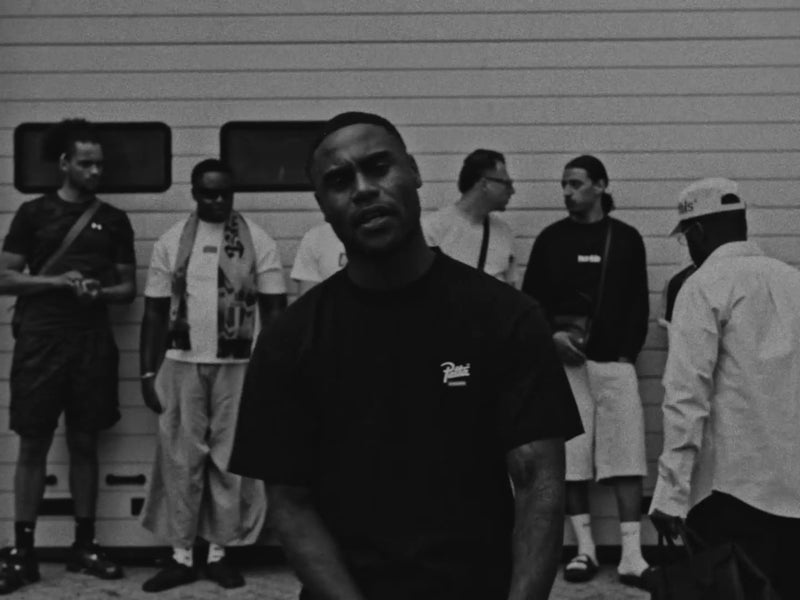
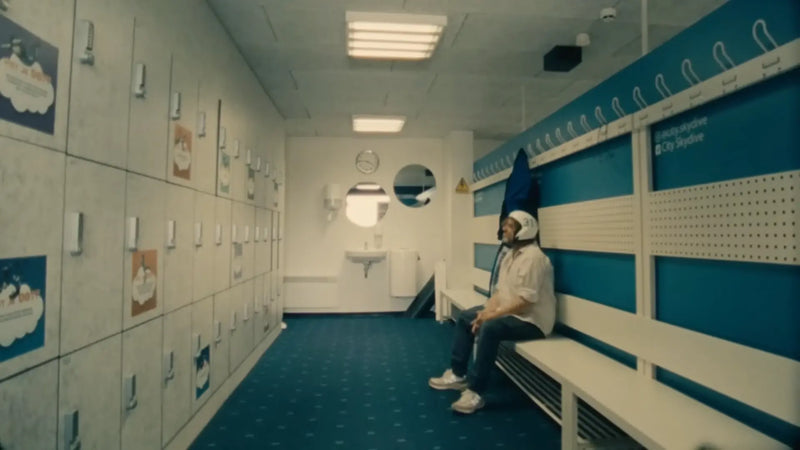
    After years of touring the world, Benny Sings took a step back to focus on family and songwriting, resulting in what he calls his most personal album yet.His latest single, "Parachute," reflects on growing up with a mother living with severe depression. A personal story told with Benny's signature style. Originally written in Dutch, the song balances vulnerability with uplifting melodies, proving that dancing and crying can coexist. Watch the self-directed music video for "Parachute" now 
    • Music

  • Mutha Flac - Leven / Guillotine Patta

    Mutha Flac - Leven / Guillotine

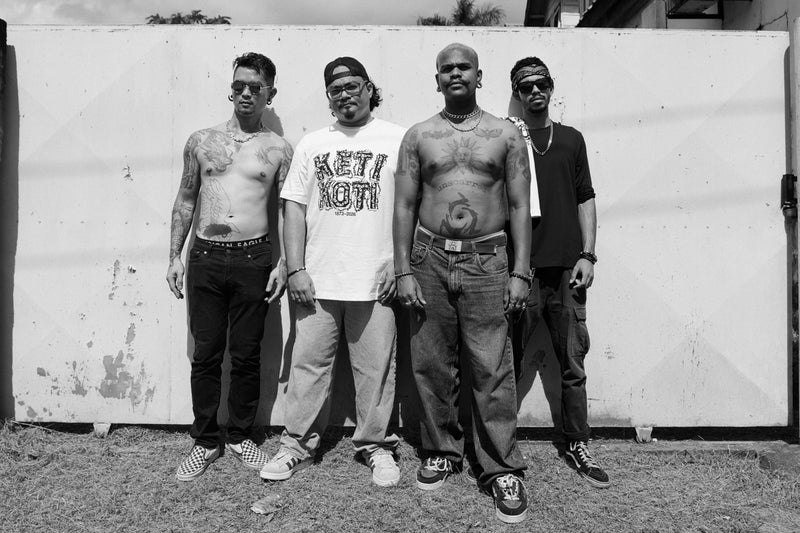
    To honour this year's Keti Koti, we partnered with Surinamese punk band Mutha Flac to create a music video that celebrates the spirit of self-expression, resistance and cultural pride. Punk has always been a vehicle for challenging norms and reclaiming space and Mutha Flac embodies that energy through a distinctly Surinamese lens.This is a tribute to the generations who fought for freedom and to those who continue to define what independence means today. Because independence is not only about looking back at where we came from, it is about amplifying the voices that are shaping where we are going.
    • Music

  • AZZI ON THE BEAT B2B WEARAREALLCHEMICALS Patta

    AZZI ON THE BEAT B2B WEARAREALLCHEMICALS

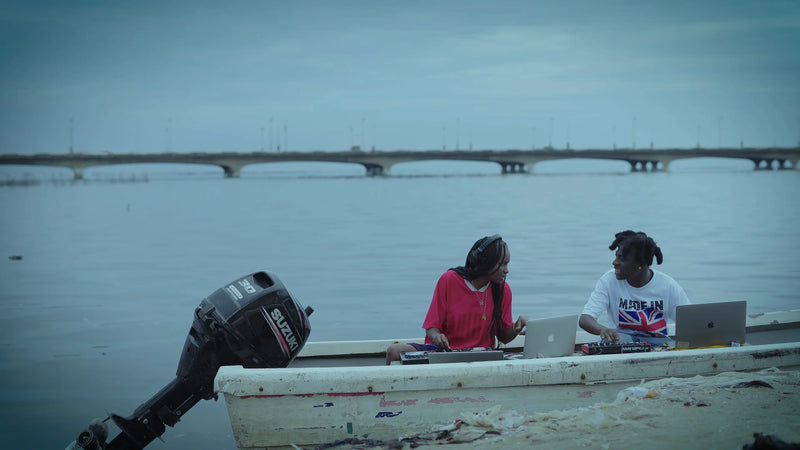
    OFFSHORE SESSIONS is a music platform curated by Azzi On The Beat that brings together DJs, producers, and sound artists from different musical backgrounds to explore new sonic conversations in unique locations. Set outside traditional venues, each session creates a space where diverse genres, cultures, and creative approaches meet through live performance and collaboration. For this edition, Azzi On The Beat goes back-to-back with WearAreAllChemicals on the Lagos waterfront, blending electronic experimentation, percussion-driven rhythms, underground club sounds, and influences from African street culture. Recorded on a small boat overlooking the city, the session captures a moment of connection between artists, environment, and sound. OFFSHORE SESSIONS is a performance series and an ongoing exploration of music without borders.
    • Music

  • PLOEGENDIENST - ASFALT Patta

    PLOEGENDIENST - ASFALT

    PLOEGENDIENST released a new music video for their song ASFALT! What you see is what you want. AND WHAT YOU WANT, ALWAYS NEEDS TO BE BETTER! 
    • Music

  • Murkage Dave & Ryan Yard Act - Gabriel (official video) Patta

    Murkage Dave & Ryan Yard Act - Gabriel

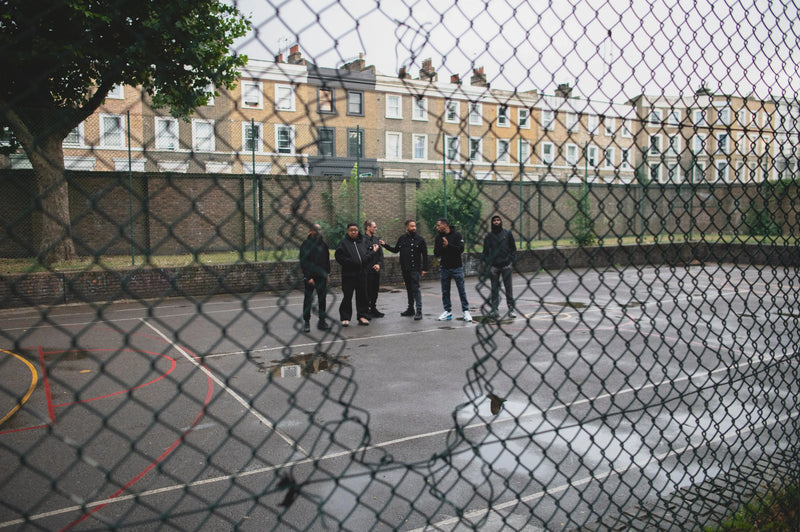
    Murkage Dave and Ryan from Yard Act have gone and done a version of ‘Gabriel’ by Roy Davis Jr. & Peven Everett. Together with the cover, they released an official video of their live performance. 
    • Music

  • Kleine Crack & Slagter - SPIDERMANE / ONOPGELOST Patta

    Kleine Crack & Slagter - SPIDERMANE / ONOPGELOST

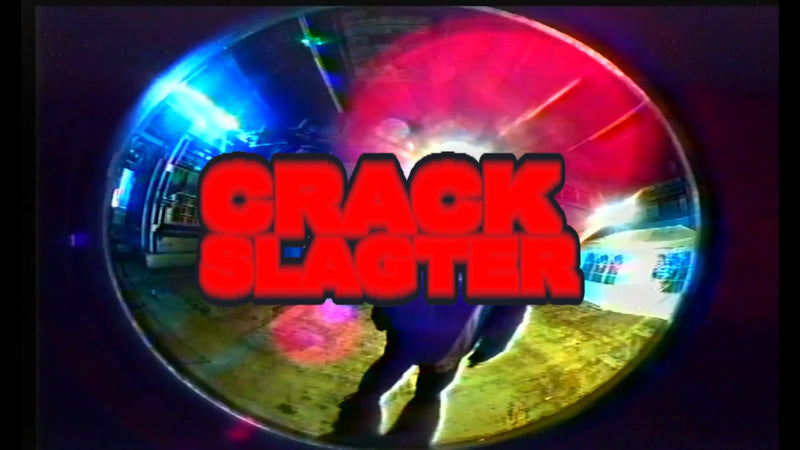
    No Friday the 13th is complete without a drop from Kleine Crack and Slagter. The 6-track EP was dropped earlier this year, and we're still listening.  
    • Music

  • Murkage Dave & Passion DEEZ on Echobox Patta

    Murkage Dave & Passion DEEZ on Echobox

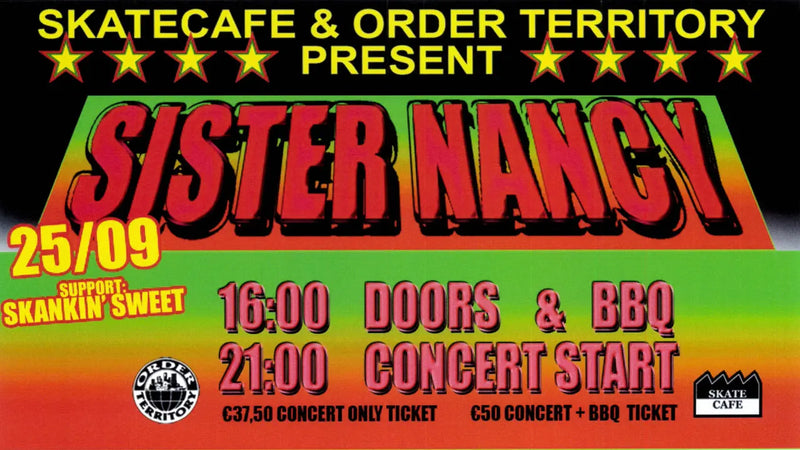
    Shubeen co-founders Murkage Dave and Passion DEEZ joining forces ahead of their club night at Skatecafe on 6th June for a special broadcast pushing Black British music to the world. Listen back now.
    • Music

  • Imani Imani - Mindgames Patta

    Imani Imani - Mindgames

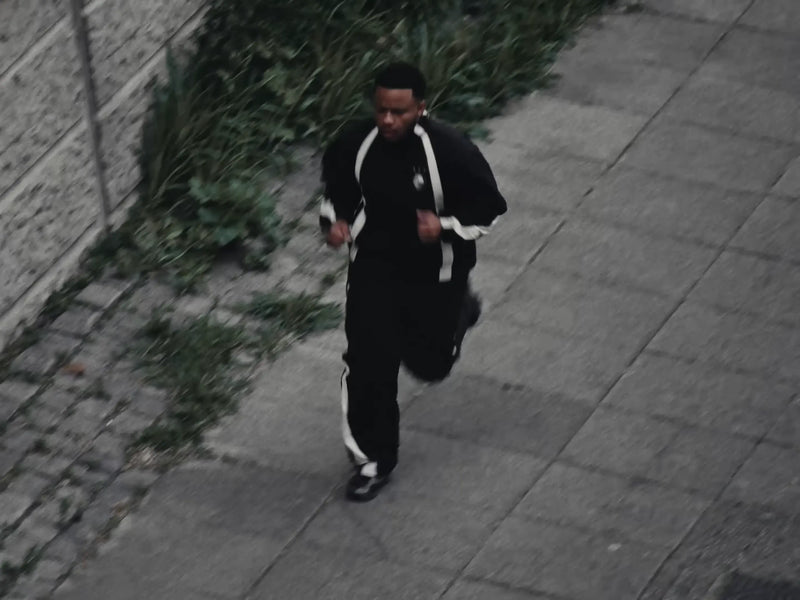
    Imani Imani released a surprise album today named 'Papercut'.Her 11-track debut album was released under the music label pgLang, where she joins the roster of co-founder Kendrick Lamar, Baby Keem, and Tanna Leone.  Her first music video for the soft and introspective track "Mindgames" is out now. Imani Imani is wearing the Patta Track Jacket in the video. Find new Patta tracksuit releases here.  
    • Music

  • Oscar #Worldpeace - Chessboard Freestyle Patta

    Oscar #Worldpeace - Chessboard Freestyle

    Oscar #worldpeace returns with visuals for “Chessboard Freestyle” a sharp, cinematic cut from one of the UK’s most distinctive creative voices. A long-time collaborator of Mike Skinner, Ragz Originale and benji flow, Oscar brings the same raw intimacy and off-centre storytelling that’s made his visual language instantly recognisable across the underground and beyond.“Chessboard Freestyle” moves like a late-night thought spiral: calculated, restless and unpredictable. Every frame feels intentional; balancing tension, stillness and instinct with the precision of a player always thinking three moves ahead.  
    • Music

  • Jyoty - The Listening Room Patta

    Jyoty - The Listening Room

    Born in Amsterdam to Indian parents and raised between Bollywood soundtracks, Qawwali, Dutch hip-hop and the soundsystem culture of her Moroccan and Turkish neighbourhood, Jyoty’s relationship with music has always been shaped by movement between worlds. In this episode of The Listening Room, the DJ and broadcaster traces the moments that formed her musically — from hearing Nusrat Fateh Ali Khan in her mother’s living room and Bhangra at family weddings, to discovering Dutch rap, electronic music and eventually finding herself inside the sweaty basement of Dance Tunnel, the legendary Amsterdam club that helped shape her understanding of dance music culture.
    • Music

  • Living Proof - Triumph Patta

    Living Proof - Triumph

    The expansion of rap music during the 1990s into the mid 2000s is widely regarded as a defining period in the development of rap music, often described as its “golden era” due to the scale of innovation and originality achieved during this time. The rise of regional styles from Brooklyn, New York to Long Beach, California gave different cities their own sound and point of view, moving rap beyond a single center and creating a genre that was relatable to people from urban environments all over the world. From groups like the Wu-Tang Clan, M.O.P, The Lox and Dipset to artists like Nas, Shyne, DMX and DJ Kay Slay; Clay Patrick McBride’s unique time spent with the artists during a developmental phase in their careers has been collected in “Triumph: Icons of Rap”. Showcasing nearly two decades of photographs of the most iconic rappers earlier in their lives.Living Proof has worked with Clay Patrick McBride to release a book on photographs documenting the golden era of rap’s defining artists during the creation of their most pivotal works, drawn from sessions Clay spent with the artists in their early years and magazine campaigns from the era’s best. The book includes test polaroids, original contact sheets and never before seen collages from the artists personal scrap book; as well hand written thank you letters from the talent. Living Proof - Triumph available now at Patta London.
    • Art

    • books

    • +1

  • Patta x Wax Poetics Cover Story with "Easy” Otabor Patta

    Patta x Wax Poetics Cover Story with Easy Otabor

    Words: David Kane, originally published in Patta Magazine Volume 6Isimeme “Easy” Otabor selects Nas’ timeless classic as his ‘cover story’, a long-running collaborative column between Wax Poetics and Patta. Illmatic is a fitting first in the series to feature in Patta Magazine.At this point, there’s little we can say about Nas’ Illmatic that hasn’t already been said. Nasir bin Olu Dara Jones aka Nasty Nas, aka Escobar, was aged just 20 when he released his musical masterpiece to an unsuspecting world with a little help from his producer friends — DJ Premier, L.E.S., Pete Rock, Q-Tip, and Large Professor (who must be kicking himself for turning down the opportunity to executive produce the record) — which has gone on to transform hip-hop, modern music and the wider pop culture canon.  Yet despite more than 30 years of lore-building, there are still some lesser-known aspects of the album and the greater cultural fabric it is woven into — and the millions of people's stories it continues to soundtrack.Otabor is a Chicago-born curator and gallerist whose work bridges contemporary art, fashion, and community-forward programming. “Born and raised in Hazel Crest in the south suburbs. My parents are both from Nigeria — first generation — they came here in their early twenties and tried their best to make a way for us. I started in sneakers, working at all the sneaker stores as soon as I could get a work permit. “I went to school for fashion, worked at RSVP Gallery with Don C and Virgil (Abloh), and learned by doing whatever needed to be done. That led to (the clothing brand) Infinite Archives and then Anthony Gallery, named after my dad,” he explains over a call from Florida. He’s often on the move, listing off Amsterdam (where he recently launched the second Anthony Gallery), Berlin, London, and Tokyo as recent destinations. Something of a Japanophile, Easy’s initial touchpoints into art came through anime like Akira, Fist of the North Star, and then Takashi Murakami, thanks to his work on the cover art for fellow Chicagoan Kanye West’s Graduation album. Easy credits his brother Ade for his omnivorous approach to culture. “He introduced me to Illmatic — really, all the music I know came through him. I was lucky to have a brother who knew what was happening, who was open to different sounds and always tuned into what was next.” The Illmatic cover operates as a kind of cultural Rorschach — the same image, endlessly reinterpreted. For some, it’s a portrait of lost innocence; for others, a map of inevitability, where place and identity are already fused. What you see says as much about you as it does about Nas.“Honestly, whenever I think of Illmatic, I think of that cover first. There’s a quote I can’t fully remember, but it’s about true genius being found in simplicity. You see where Nas grew up, merged with a childhood photo, those piercing eyes — but also this sense of knowing what he was about to do. Even the background, driving through his neighborhood, all comes together. It’s a perfect blend. You feel like you see yourself in it. No matter where you’re from, you can relate to that feeling of reflecting on your past while being ready for the future, and the present.”The 30th anniversary of Illmatic in 2024 coincided with a global tour, a 7” boxset release, and the publication of a cluster of new and archived content celebrating the record, including a musty interview recording with Nas’ father. In one video, Olu Dara, a successful jazz musician in his own right, recalled the moment the photo was taken. It was when he returned to the States after a long tour in Europe, found Nas and his brother in Queensbridge, who both excitedly ran towards him.  Olu said he saw it in Nas’s eye — “his mind was saying, wow, what a world.” In addition to Olu — who in the same recording mentions a “man with a camera” rather than explicitly claiming to have taken the photo himself, as is popular belief — the artwork was part of a cross-generational collaboration that included photographer Danny Clinch, with art direction by Jo DiDonato, and design by Aimée Macauley — the latter two, employees of Columbia Records. Clinch photographed Nas and his crew in Queensbridge, the largest housing project in the US. Six images appeared across the original vinyl and CD releases.According to Large Professor, speaking to DJ Vlad, the portrait of Nas, in which his hand obscures his face — complete with a small rip — was always meant to be the cover. The tear was accidental. “He had it under a piece of glass, and I guess when he went to grab it, the glass must’ve stuck right there, so that’s the rip right there.” It stayed because it felt right.Illmatic is widely considered to be the first of many hip-hop album covers to feature a child — from Biggie through to Lil Wayne, and Kendrick Lamar. Ghostface would later infamously call out rappers (supposedly Big) for biting the cover art during a skit on Raekwon’s Only Built 4 Cuban Link. Though Nas later dismissed the critique — but it’s not the first outside the genre.When I send Easy a Discogs link to A Child Is Born (1972) by The Howard Hanger Trio, he chuckles at the artwork. “If I had to guess,” he says, “it’s probably a record his dad had in his collection.” The resemblance to Illmatic is uncanny: a child’s face, roughly the same age, gazing directly at the viewer, superimposed over a crumbling city street. Musically, it’s a deep, almost spiritual modal jazz record, featuring eerie interpretations of Simon and Garfunkel’s Scarborough Fair, and Eleanor Rigby, by The Beatles.When it surfaces, A Child Is Born now sells for three figures, likely inflated by its accidental proximity to one of hip-hop’s most revered LPs. The trio released just three albums between 1970 and 1977 before quietly disappearing. Howard Hanger himself came from a lineage of principled Methodist ministers; a family history marked by civil rights activism, anti–Vietnam War protest, and the defence of same-sex unions. No official link has ever been acknowledged between the two covers. Which only reinforces the point: the difference isn’t what you take — it’s whether you make it yours.The red thread here might just be family. As Easy explains, “My older brother changed my life. I probably wouldn’t be where I am without him. Even recently, with a Jordan release, I made sure it landed on his birthday.” Easy’s referring to the 2025 release of the Infinite Archives x Air Jordan 17 Low, inspired by the OG model by Wilson Smith, the first Black sneaker designer for the Jordan brand.Long before culture was flattened into clicks and stories, Easy Otabor was dedicating himself to moments — overlooked and era-defining — that once felt abundant and now feel increasingly rare. As for Illmatic today?“I go back to it all the time. There are just so many records on there — ‘Life’s a Bitch’, ‘The World Is Yours’, ‘Halftime’, ‘It Ain’t Hard to Tell’. The whole album stays in rotation. So when the question came up about album covers and what they mean, it was a no-brainer.“It’s as timeless as the record itself. It taught me not to overdo it — that less really can be more, and sometimes more powerful than anything complicated. Every time I look at it, everything stands still for a moment.” 
    • Magazine

    • Music

  • RADIO Z at Skatecafe Patta

    RADIO Z at Skatecafe

    A new frequency, RADIO Z. Ray Fuego and Dio are taking over with a pirate broadcast in the form of an album. Produced by Kabul $lim. RADIO Z is already planned to change Lowlands forever, but before that, they will have their one and only performance in Amsterdam.   25th of June, Skatecafe - don't miss out and get you tickets here.
    • Events

    • Music

  • The Alchemist, Budgie - Living Forever ft JayaHadADream Patta

    The Alchemist, Budgie - Living Forever ft JayaHadADream

    JayaHadADream can not be boxed into a genre and keeps writing music. The Alchemist released a new track featuring JayaHadADream. The song is called ‘Living Forever’ on The Alchemist & Budgie’s latest tape ‘The Good Book III’, only available on vinyl or digital download right now. 
    • Music

  • Get Familiar: Window Kid Patta

    Get Familiar: Window Kid

    Interview by Passion Dzenga | Photography by Cody (333visuals) and Adam BrocklesbyAfter more than a decade of bars, radio sets, side quests and underground graft, Window Kid has finally hit the kind of moment that looks sudden from the outside — even though it’s been years in the making. Long before the nominations, sold-out tours and breakout singles, Greg was building his name the old way: on local radio, in club smoking areas, on pirate-energy sets and alongside some of the most vital names in UK rave culture. What makes his rise feel so deserved is that none of it sounds manufactured. Whether he’s shelling a grime beat, fronting a garage anthem or filming YouTube content, there’s still something unmistakably DIY about the way he moves.Now, with a DJ Mag Best MC/Vocalist win under his belt, a huge Sir Spyro link-up in motion and a new chapter shaped by sobriety, self-reflection and sharper songwriting, Window Kid feels more open-ended than ever. In this conversation, he reflects on ten years in the underground, the reality of building a career out of chaos, and why getting sober didn’t close the door on his creativity — it opened the whole house.You’ve had a monumental year already — tours, Australia, awards, nonstop shows. How have you been holding up through it all?Yeah, it’s been non-stop, but in a good way. We’ve had the UK tours, then Australia, then the awards, then more shows straight after. So it’s definitely busy, but it’s the kind of busy you can’t really complain about. It’s a blessing.A lot of people are only just now catching on, but you’ve really put your time in. Before all of this, before the awards and the bigger stages, what was Window Kid when it first began?Window Kid originally was just a lad spitting bars on his lunch break instead of playing football. Then it became me spitting in people’s ears in smoking areas outside clubs and bars — just doing what everyone was doing, getting mashed up and chatting bars. At the same time, I was DJing and producing as well, mostly because I thought girls didn’t like MCs. I’d be on the radio or on the decks somewhere and people would start telling me, “Window, spit a bar.” Then I’d spit, and people clocked that I was actually alright. From there, it just slowly built. The lads around me in Nottingham kept telling me, “You need to get on a tune. You need to make a track.” That’s when it started becoming more serious.So before Window Kid became a recording artist, you were already building inside DJ and radio culture?Yeah, definitely. I used to run a radio show in Nottingham called The Window Show. I didn’t really know loads of MCs or producers in Nottingham at the time — I just liked the idea of creating somewhere people could come and practice, really. I’d be on the decks and MCs could pull up and spray bars.It was on a station called Local Motive at the time, and once I started doing it, loads of Nottingham MCs began jumping on. Snowy, Kyeza, Mez — all them lot. That was really when I started becoming part of the scene properly. Then I started taking it outside the station, doing events around it, and because I was so involved, people began realising I could actually spit myself. That’s kind of when it all started taking shape.It sounds like you were building your own infrastructure in Nottingham, rather than waiting for someone to give you one.Yeah, kind of. There probably were other people doing their thing, but I wasn’t really deeply tapped into the old scene like that. I wasn’t jumping on JDZ Media or Grime Daily or SBTV early on. I was more in the background, more of a fan of the music than someone moving around in those circles. So I kind of had to start my own thing.When does it shift from bars on sets and freestyles into proper songs — actual records with structure, hooks, ideas bigger than a 16?That really started with Snowy, to be honest. He was the one who wouldn’t leave me alone about it. He kept saying, “You need to get on a track.” He basically forced me into the studio and made me record something. I made a tune called “Ben Stiller” that never actually came out, but it gave me confidence.Then Brucey reached out and said he wanted to make a tune with me. Bru-C had a buzz already, and we ended up making tunes like “5 Bet” and “Hide the Ting.” Once those started getting some numbers, that’s when I realised I could actually make songs — not just spit bars, but make actual records people connected with.I never really overthought it, though. I just spat whatever was on my mind. Grime, garage, bassline, dubstep — whatever I was feeling that day.And after that comes the touring period — Crewcast, Bru-C, Darkzy, Skepsis. That chapter really put you on the road.Yeah, exactly. I toured with Crucast, Bru-C and Darkzy, and I hosted for Darkzy for years. We were constantly on the road — six, maybe seven years of that kind of lifestyle. But I always knew I’d eventually have to step out on my own, because I always wanted to release my own music and build something as my own artist.I loved hosting for Darkzy, but over time my own songs started getting traction, my socials started growing, and I got to a point where I had enough music for a live set and enough people listening for that to actually make sense. So I broke away and started touring as myself.That’s quite a leap though — going from host and hype man energy into carrying a full show on your own.Yeah, but it felt natural by then. It didn’t feel like jumping off a cliff. I’d already built up the songs, the crowd, the confidence. Once everything lined up, it was just time.Your sound has always sat in an interesting middle ground — grime, garage, bassline, dubstep, rap, internet culture, all of it. Where do you feel like you fit now?The fun thing is, I don’t really feel boxed into one place now. I’ve shown enough respect to all the different sides of it, and I genuinely love all of them. I can go do a grime show with Novelist and Flirta D, then roll into a drum & bass rave and shell a tune like “Put That Kettle On” with Bou, then go film some YouTube content with joke YouTube guys.I’ve always just stayed in my own lane, had a laugh, and made sure I never disrespected anyone or forced myself into a scene I didn’t belong in. So now I can kind of pop in and out of all these worlds and it still makes sense.And that probably explains why people don’t just see you as “a genre act” anymore — they just see you as an MC.Yeah, maybe. I think that’s fair. I don’t really know where I fit exactly, but I know I can move about now, and that feels good.Do you think your sound matured naturally, or did sobriety really change the way you write and think about music?Sobriety definitely changed it. Before that, I was partying too heavily and drinking too much, and I got to a point where I was basically forcing myself into the studio every few months trying to make another “Boozy.” Because that tune was streaming well, I started thinking in a very narrow way — like, how do I make another party song?And I lost myself a bit, if I’m honest. When I first had to go sober, I actually panicked because I thought, “What am I going to write about now?” So much of what I’d written before was about drinking, taking gear, being off my head. I genuinely thought the whole thing might be over. But it turned out to be the opposite. It opened way more doors. Suddenly, I could write about anything.That’s a huge shift — because before, a lot of your records had that humour and chaos to them, but now you’re making songs with real emotional weight.Yeah, exactly. After Christmas I wasn’t seeing my boys much because a lot of them were out drinking and I still had to avoid that. So I wrote this tune just sitting on my sofa about not seeing my mates enough. It had this bittersweet feeling to it — happy because I love them, sad because I missed them. And Jason Williamson from Sleaford Mods heard it and said he wanted to jump on it.That kind of thing proved to me that I could write in a totally different way now. And really, it started with “Lost Myself” with Nathan Dawe & Shapes — that was the first time I made something that felt very different emotionally, and it ended up being my first charting record. So that told me a lot.When you go into the studio now, how do you know whether you’re making something funny, something introspective, something for the rave?I genuinely don’t know until I’m there. I never really plan it. In normal life, that can be a bit of a problem because I can doss about and not do much, but in the studio, it works in my favour because I’ll just go in and something will happen. JJ and Gaz, who record me a lot, always say I’m so creative with the stuff I come up with in the room.One day I’ll make a grime tune, the next I’ll make something sad, the next it’ll be pure chaos for the rave. It literally depends on how I feel on the day. I just go to the studio and see what happens.That brings us nicely to the new tune with Sir Spyro, “Badboy Sound.” How did that one come together?Spyro and I have been good mates for years now, ever since I did the Sounds of the Verse thing where I had that “lots and lots and lots” lyric. We always stayed in contact. He’s in my top three producers of all time, easy.We’d linked before, years back — me, Spyro and Champion were in the studio once — but that was during the period when I was drinking too much and trying too hard to make party music, so nothing really happened. This time was different. I was so excited to work with him properly. We went into the Sony studio in London and I was basically egging him on like, “Do that Spyro shit. Put some Spyro noises in there.” He started going one way with it and I was like, “No, bro, do the mad Spyro thing.” Then within minutes, he built this absolutely stupid beat.The mad thing is, I’d already written some grime bars a couple of months before, and I deliberately kept them aside because I thought, “These are for Spyro.” So the second that beat was there, I knew exactly what I was doing. I’d heard him making all these dubstep bits too — which were cold — but I always wanted that proper Spyro grime beat from him. That was a dream from way back.When you collaborate with people from very specific corners of UK music — grime, garage, dubstep, drum & bass — does your process change depending on who you’re with?Yeah and no. It’s different every time. Sometimes I hear the beat first and write to it, sometimes I write first and then swap the beat later. Like with “Cardigan,” I must have changed the beat about five times. Management was sick of me. They kept saying, “Please just make something else,” and I kept saying, “Trust me.” Then it became one of my biggest songs.So there’s no fixed formula. But yeah, when it’s someone like Spyro, there’s definitely more pressure because you really want to leave with something sick. If I go in with a random producer and don’t like what comes out, whatever. But if I’m in with Spyro and don’t leave with a banger, I’m going home pissed off.Over the past few years, what do you feel you’ve improved at most as an artist?Definitely the live show. Weirdly, I’ve taken a lot of inspiration from Robbie Williams. He’s one of my pals and I’ve seen him live a few times now. The way he works a crowd, tells stories between songs, plants little lines that lead into the next tune — I love that. He’ll start saying something and mention a lyric, and the crowd starts clocking what’s coming next before the tune even drops. That stuff is genius to me.So I’ve been putting loads of thought into how my live show flows — how I speak between records, how I create little moments, how the crowd helps shape the energy. And doing all that sober has changed everything. I can actually see what’s going on now. I can feel the moment, remember the show, and make decisions in real time. I think my live set is the best it’s ever been.Do you actually rehearse a lot or is it more trial and error on stage?We never rehearse. Ever. We just try things live. If we’ve got an idea, we say, “Let’s test it tonight.” If it works, it stays. If it doesn’t, we change it next week. Because I’m doing at least one show a week at the minute, the show is kind of constantly evolving anyway.You recently took that show to Australia and New Zealand too. How did it feel outside the UK?Honestly, it was unbelievable. They appreciate UK culture and UK music so much over there that it means a lot when you actually go. The crowds were just so warm and excited. Every venue felt different too — one felt like a jazz bar, another felt like a uni club, another felt more like a theatre — but the energy was amazing every night.We sold the whole tour out and it ended up being one of the best months of my life. I can’t wait to go back.And that trip happened while you were still very new into sobriety. Were you worried about that?Massively. I was genuinely panicking for about two months before we went. I thought I’d land and just want to drink the entire time. I thought I’d be craving it every day and it would ruin the trip. But it didn’t happen like that at all.We were getting up early, getting juices, going on walks, going to the beach, having naps, seeing animals, just actually living. If I was still drinking, I would’ve done none of that. I’d have just been getting smashed and wasting the whole experience. So it was actually one of those moments where I really realised the change had already happened in me.And that seems to connect to that trip you took with Marshall as well — which felt very human online, not forced at all.Yeah, that was a special one. Marshall’s more of a social media guy, but we followed each other and I knew his story. His wife had died, Faye, and a lot of his content was about grief and living through that. He asked if I’d get involved in a fundraiser for the charity connected to the cancer she had, and I said yes straight away. Then I just said, “Do you want to go on holiday?” and he said yeah.We ended up going to Slovenia, to Lake Bled, and just filmed some stuff together. It kind of blew up online, but what it really was, was just two blokes both trying to figure out life in different ways. His grief was obviously much heavier than anything I was going through, but there was still this shared feeling of trying to navigate a new chapter. It was emotional, funny, sad, uplifting — all of it. And we came back proper mates.That’s probably why it resonated. It felt real. Nothing about it felt manufactured.Yeah, because it was real. That’s all it was.Do you ever feel like you’re “performing” online or in your music, or is it all just Greg?It’s just me. Honestly. I get why people ask because one minute I’m making an aggressive grime tune and the next I’m on YouTube eating Easter eggs or whatever. But that’s just how I am. I’ve always been like that. I’m not this mad badman, so obviously some of the bars come off funny as well, but none of it’s an act. It’s all just Greggy Boy.And maybe that authenticity is exactly why you’ve managed to build a real independent career. What do people underestimate about doing it this way?Maybe they underestimate how much you’ve actually got to live through to write like that. Like, if you’re writing party songs, you’ve actually got to be in that world. If you’re writing about missing your friends or losing yourself or figuring out sobriety, you’ve got to actually be going through that. None of it’s fake.And now life’s changing all the time anyway. I’m getting stopped in the street constantly. The shows are bigger. Everything is shifting. So the music is naturally changing with it. That’s just how it works.Over the next few months, what can people expect from you?The YouTube channel is fully back. I’ve just put out the UK tour vlog, the Australia vlogs are coming, and I’m doing more content with some massive YouTube names as well. I feel like the live show is in a really strong place now — I’ve got enough songs, enough bangers — so I can let that breathe a bit while still going studio.And the tune I’m most excited about right now is one I’ve made with P Money, Local and Kruz Leone. It’s called “Levitate,” produced by Frost, and it is absolutely mental. Proper old-school grime-dubstep energy, all of us just going psycho on it. We’ve played it out twice already and it’s getting the biggest reaction of the set, and no one even knows it yet. So that one I’m really gassed about.And longer-term, are we looking at a full project?Yeah, definitely. I’m working on the album now. It’s actually not far off because I’ve got too many songs at this point. It’s more about quality control than output. I’m not even someone who goes to the studio all the time — I’m actually terrible for it — but over the years I’ve built up enough music from the party era, the emotional shift, and where I’m at now, that I can really see the shape of an album.I want it to be a proper concept too. Like that OutKast Speakerboxxx feeling — one side is getting fucked up, one side is not getting fucked up anymore. That’s the idea.That feels like a very Window Kid way to make a concept record — honest, funny, but still heavy.Yeah, exactly. That’s the plan.Last one. If you could go back and speak to young Greg — before all of this, before the tours, before the blow-up — what would you tell him?I’d tell him: you always knew you had it in you, so keep going. But also, for God’s sake, don’t drink so much. And if you feel like you’ve got demons, really look at them. Ask for help if you need it. Don’t think you’ve got to do everything alone. This life isn’t exactly standard. Being in the public eye, constantly touring, constantly moving — it can get strange. So if you need a helping hand, just ask for it. Don’t overthink that bit.“Badboy Sound,” produced by Sir Spyro, feels like the meeting point between everything Window Kid has built over the years and where he’s heading now. It’s sharp, direct and built for the moment. Listen to the track now.
    • Get Familiar

    • Music

  • In The Dance - Manga Saint Hilare, Morenight & Freeza Chin Patta

    In The Dance - Manga Saint Hilare, Morenight & Freeza Chin

    Manga Saint Hilare released his new music video for "In The Dance", a release to heat up spring, preparing us for the festival summer. Check it out now!
    • Music

Error