Get Familiar: Elisa
Few people embody the relationship between creativity and the outdoors as naturally as Elisa. Born in Venice but drawn to the peaks of the Italian Alps, she has built a life where exploration, design and storytelling exist in constant dialogue with the landscapes that surround her. Whether hiking remote trails, climbing exposed ridgelines, wild camping beneath the stars or sleeping in the snow, Elisa approaches the mountains not as somewhere to escape everyday life, but as the place where she feels most at home. That connection extends beyond adventure. As one-third of the creative collective MBRACE, she brings the patience, observation and respect she has developed outdoors into projects spanning design, fashion and visual storytelling, collaborating with brands such as The North Face while advocating for a more thoughtful relationship with both the products we consume and the environments we inhabit. We caught up with Elisa to discuss growing up between Venice and the Dolomites, embracing discomfort, finding confidence through solitude and why curiosity remains the driving force behind everything she creates.

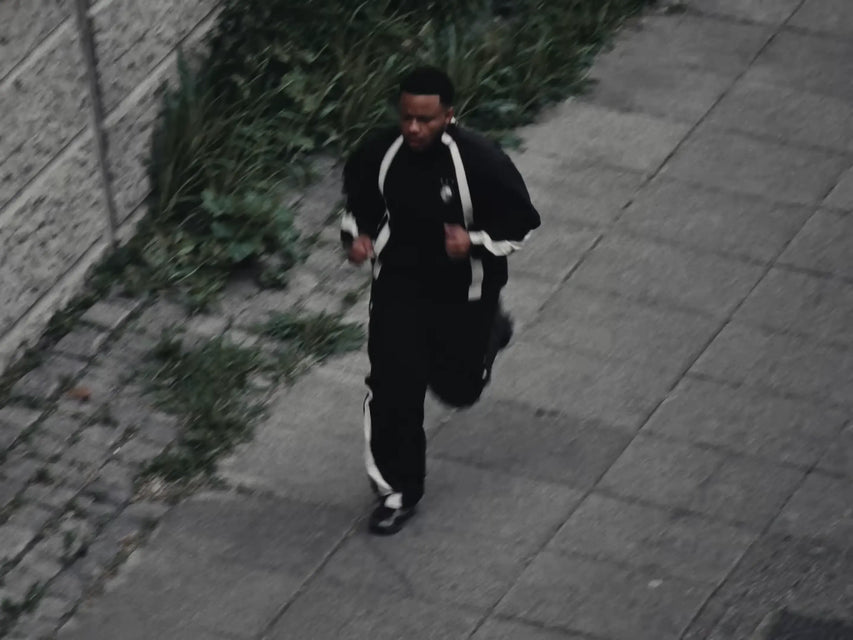
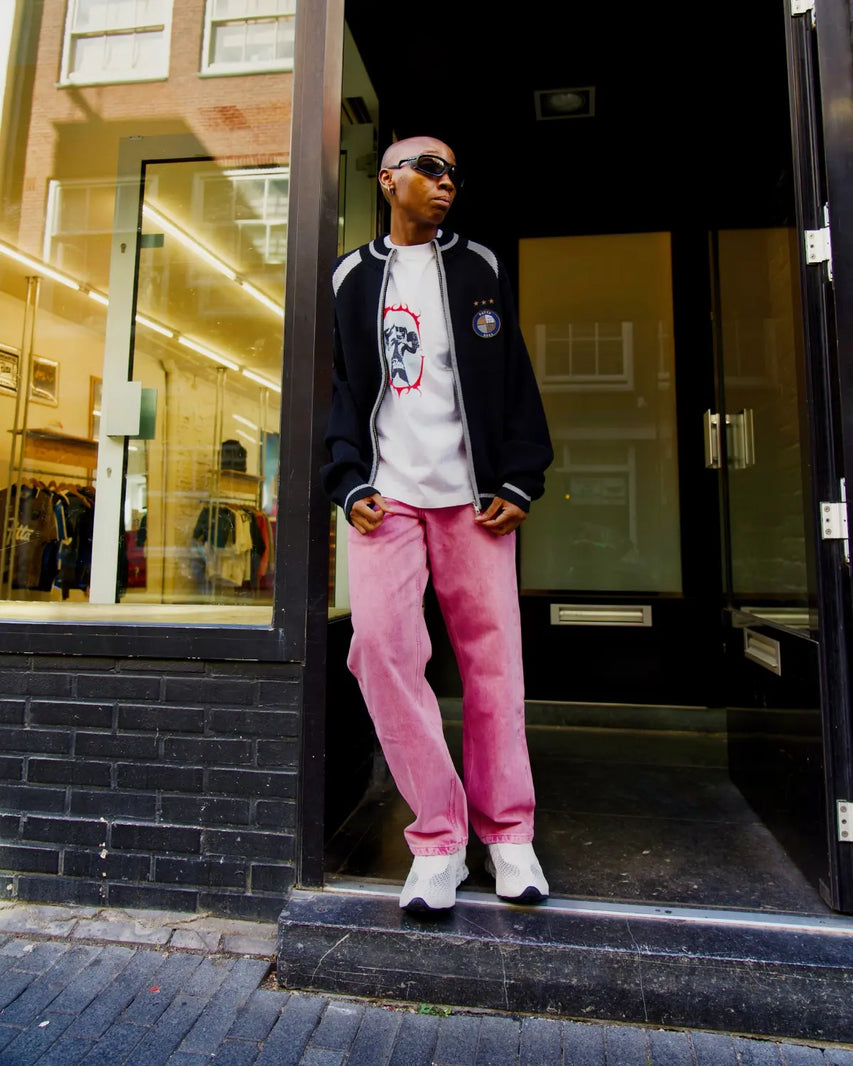
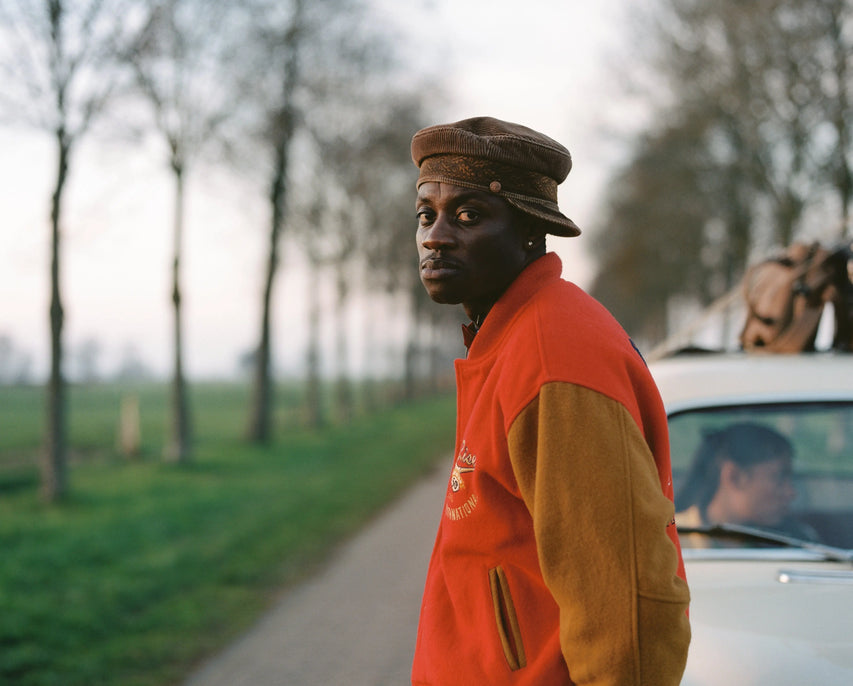
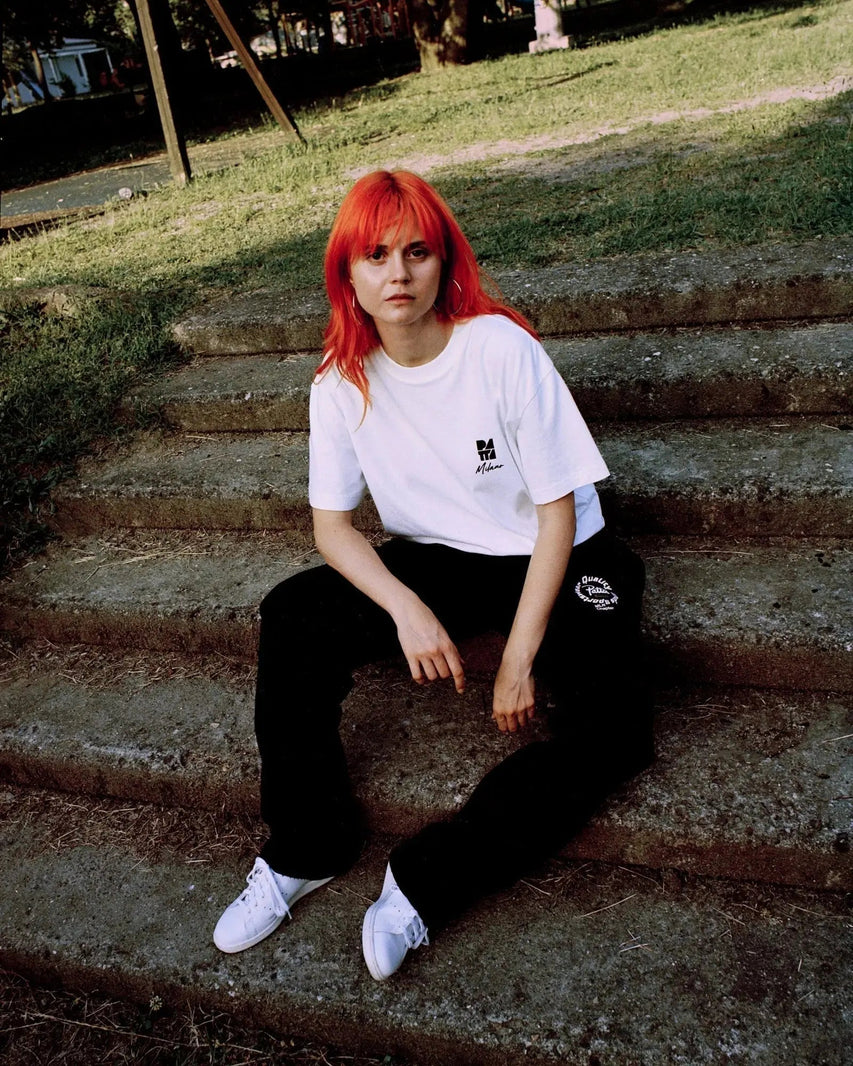
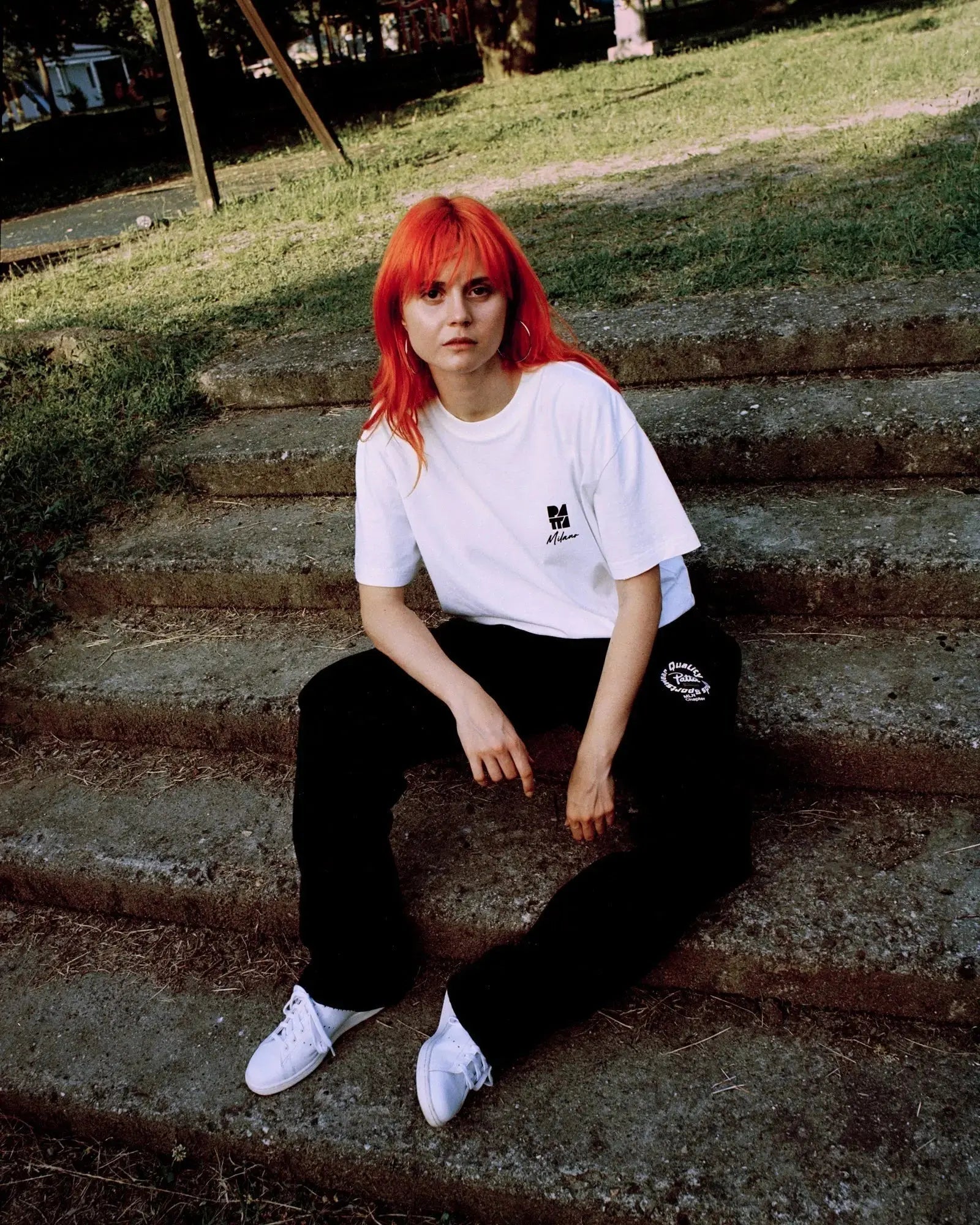
Elisa is wearing the Patta Chapter Series, available now only in Patta Amsterdam, London, Milan and Lagos.
You were born in Venice, but you've built much of your life around the mountains. Can you tell me about that journey? Was there a moment when the outdoors shifted from being somewhere you visited to somewhere you truly belonged?
I’ve always felt connected to nature; my parents spent a lot of time taking me into the forests and the mountains, so being outdoors has been part of my life for as long as I can remember. As I got older, I naturally started exploring on my own, and that’s when something changed. The mountains stopped being a place I visited with my family and became a place where I felt myself completely. They’re where I feel the most present, the most grounded, and the most free. It never felt like I consciously chose that life, it simply grew with me and became who I am.
Growing up between the lagoon and the mountains offers two very different landscapes. How has that shaped the way you experience nature today, and what was it about the Dolomites that ultimately made them feel like home?
I think growing up between such different environments taught me that nature has so many ways of making you feel connected. The lagoon has a calm, quiet energy, while the mountains are raw, powerful and constantly changing. I love both, but the Dolomites have always given me a stronger sense of belonging. Every season transforms the landscape, and no matter how many times I return, they always have something new to teach me. They challenge me, inspire me and make me feel grounded at the same time.
You spend a lot of time hiking, climbing, wild camping and even sleeping in the snow. What keeps pulling you back, and do you see the outdoors as an escape from everyday life or simply another way of living?
For me, it’s not really an escape; it’s simply a way of living. Being outdoors gives me a sense of freedom and motivation that I can’t find anywhere else. It pushes me to know myself better, to understand my limits, and at the same time it reminds me to appreciate the simple things. Life feels more real when you’re outside, moving through nature one step at a time.
Living so closely with nature inevitably changes your perspective. How has spending so much time outdoors reshaped your relationship with discomfort, and what's something people often misunderstand about life in the mountains?
Spending so much time outside has taught me that discomfort isn’t something to avoid; it’s often where you grow the most. Being cold, tired or facing unexpected conditions makes you adapt and stay present. I think many people imagine life in the mountains as either romantic or extreme, but the reality is somewhere in between. It’s about respecting nature, being prepared, and accepting that you can’t control everything.
Many of your adventures take place alone in remote places. What have those moments of solitude taught you about yourself? Has being alone become a source of comfort, or does it still come with moments of uncertainty?
I genuinely love being alone in the mountains because it reminds me how much I can rely on myself. Of course, some moments can be a little scary, especially in remote places, and I won’t pretend otherwise. But overcoming those situations on my own gives me a much stronger sense of confidence and awareness. Solitude has become something I really value because it allows me to listen to myself without distractions.
Whether you're sleeping in the snow or climbing remote peaks, there's always an element of risk. How do you prepare yourself mentally before setting off, and where do you personally draw the line between adventure and unnecessary risk? Have you ever found yourself in a situation where you genuinely questioned whether to continue?
Preparation is everything. Before every trip, I make sure I have the right equipment, I carefully check the weather forecast, study the route, look at GPS tracks and gather as much information as possible. That preparation gives me confidence, but it also helps me recognise when it’s time to stop. I remember one trip where the snow conditions made it unsafe to continue, so I decided to turn back. It wasn’t the outcome I wanted, but it was the right decision. I think real adventure also means knowing when to let go of your original plan. The mountain will always be there another day.

You recently explored Valle Aurina. What drew you there, what made the landscape stand out, and did that journey change your perspective on the Italian Alps in any way?
I had wanted to visit Valle Aurina for a long time because I’d heard how wild and untouched it feels compared to other parts of the Alps. What really impressed me was the silence and the feeling of space you can spend hours walking without seeing many people. It reminded me that even in places I think I already know, there are still landscapes capable of surprising me. That trip made me appreciate even more how different the Italian Alps really are.
Beyond your outdoor practice, you're also one-third of MBRACE. How did the three of you come together, and how do your different creative backgrounds complement one another?
MBRACE was born from the connection between the three of us: me, Enrico and Jonny.
We’re three very different people, but we share the same vision and curiosity. Each of us observes the world from a different perspective and brings different skills to the table. When those perspectives come together, they create something that’s always fresh and inspiring. We all share a passion for nature, fashion, sport, art and creativity, and I think that’s what makes our work feel authentic.
Your work sits at the intersection of the outdoors, design and storytelling. In what ways do your experiences in nature directly influence the creative projects you take on?
Nature influences almost everything I create. Spending time outdoors teaches me to slow down, observe details and pay attention to light, textures and movement. Those experiences naturally shape the way I approach storytelling and design. I like creating projects that feel honest and that communicate real experiences rather than just beautiful images. Being outside constantly reminds me that the strongest stories come from genuine moments.
You recently worked with The North Face around circular design during Milan Design Week. What interested you about that project, and how do you think design can encourage people to build a deeper relationship with the environments they inhabit?
What I found most interesting was the idea of giving materials a second life instead of seeing them as waste. I think good design has the power to make people think differently about the products they own, encouraging them to repair, reuse and value things for longer. When design tells a story, it can also strengthen our connection with the environment and remind us that every choice has an impact.
Sustainability has become a buzzword, but your work is rooted in spending real time outdoors. What does sustainability actually look like in your day-to-day life, and have you noticed the mountains themselves changing over the years?
For me, sustainability isn’t something you talk about; it’s something you practise every day through small choices. I try to buy less but better, repair my gear whenever possible, reuse what I already own and always leave nature exactly as I found it. Spending so much time outdoors also makes it impossible not to notice the changes happening in the mountains. Snow arrives later, glaciers are shrinking and weather conditions have become much more unpredictable. Seeing those changes with my own eyes makes protecting these places feel even more important.

Looking ahead, you've built a life that connects exploration, design and creativity. What kind of legacy do you hope that way of living leaves behind—for the people who follow your work and for the landscapes that continue to inspire it?
I hope my work encourages people to spend more time outside and build their own relationship with nature, whatever that looks like for them. You don’t need to climb the highest peaks to experience something meaningful; you just need to be curious and willing to explore. If I can inspire even a few people to respect nature more, move through it with awareness and appreciate its value, then I’ll be happy. At the same time, I hope the landscapes that inspire me will remain protected so future generations can experience the same sense of freedom that I have.
For Elisa, the mountains are far more than a backdrop for adventure. They are a place of learning, creativity and perspective, where every journey reinforces the value of patience, preparation and respect for the natural world. In this photoshoot, she is wearing the Patta Chapter Series, available now only in Patta Amsterdam, London, Milan and Lagos.
Whether through MBRACE, her collaborations with The North Face or the countless hours she spends exploring remote landscapes, her work is guided by the belief that meaningful stories begin with genuine experience. In an age where the outdoors is increasingly filtered through social media and spectacle, Elisa offers a quieter alternative—one rooted in curiosity, self-reliance and a lasting commitment to protecting the places that continue to shape her. Her hope is simple: that others are inspired to step outside, move through nature with intention and leave it just as they found it, ensuring future generations can discover the same sense of freedom that first drew her to the mountains.