Get Familiar: Pozer
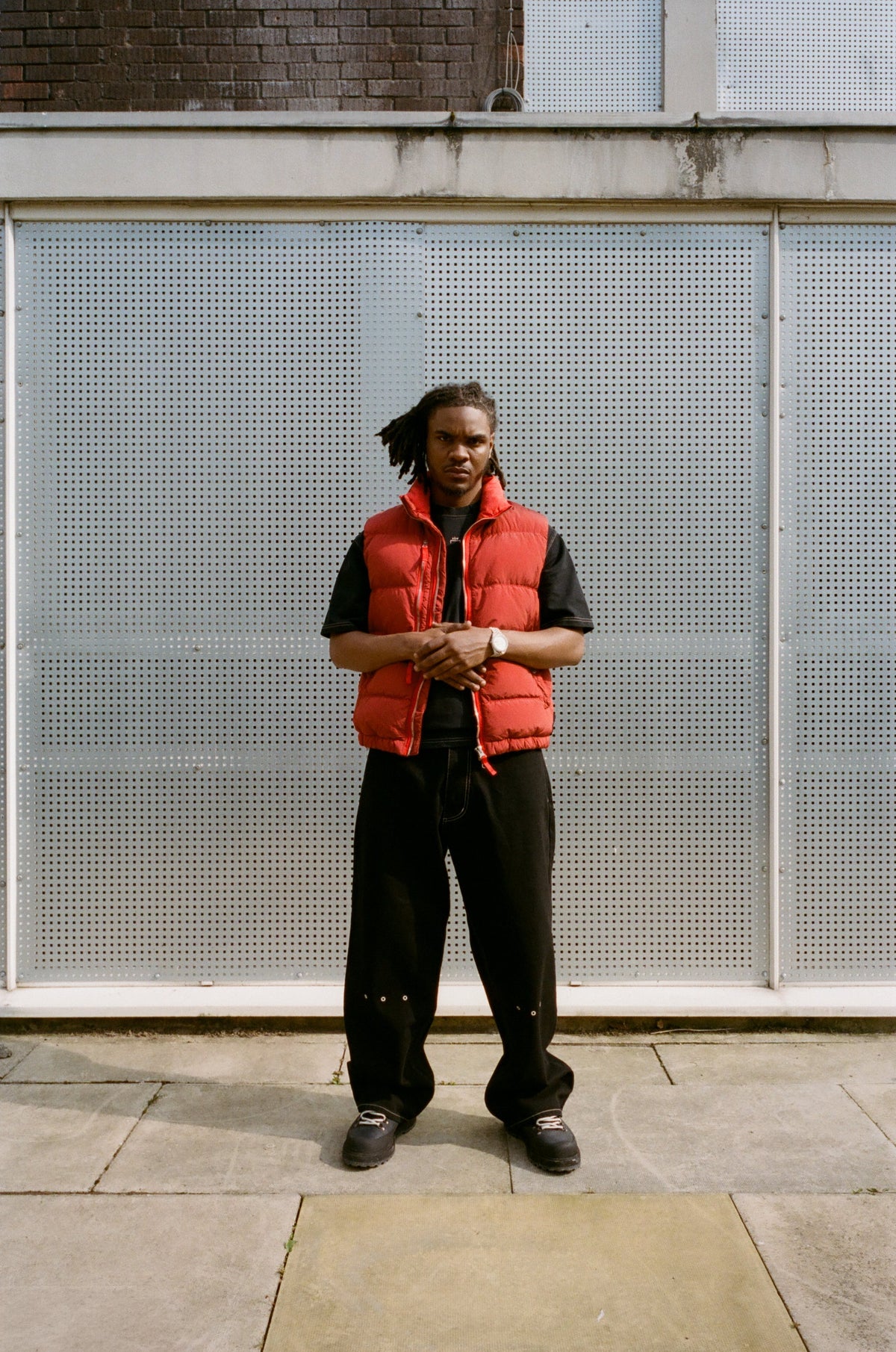
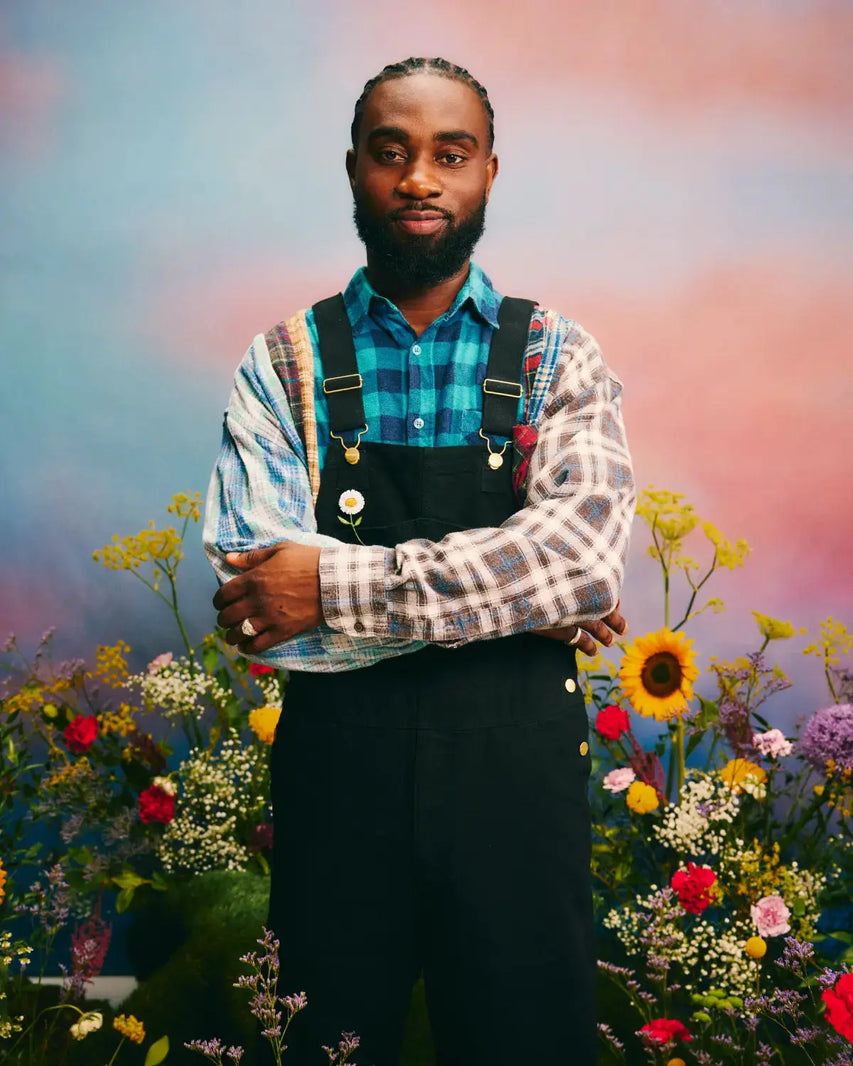
Interview by Passion DEEZ | Photography by Henry Goodwin
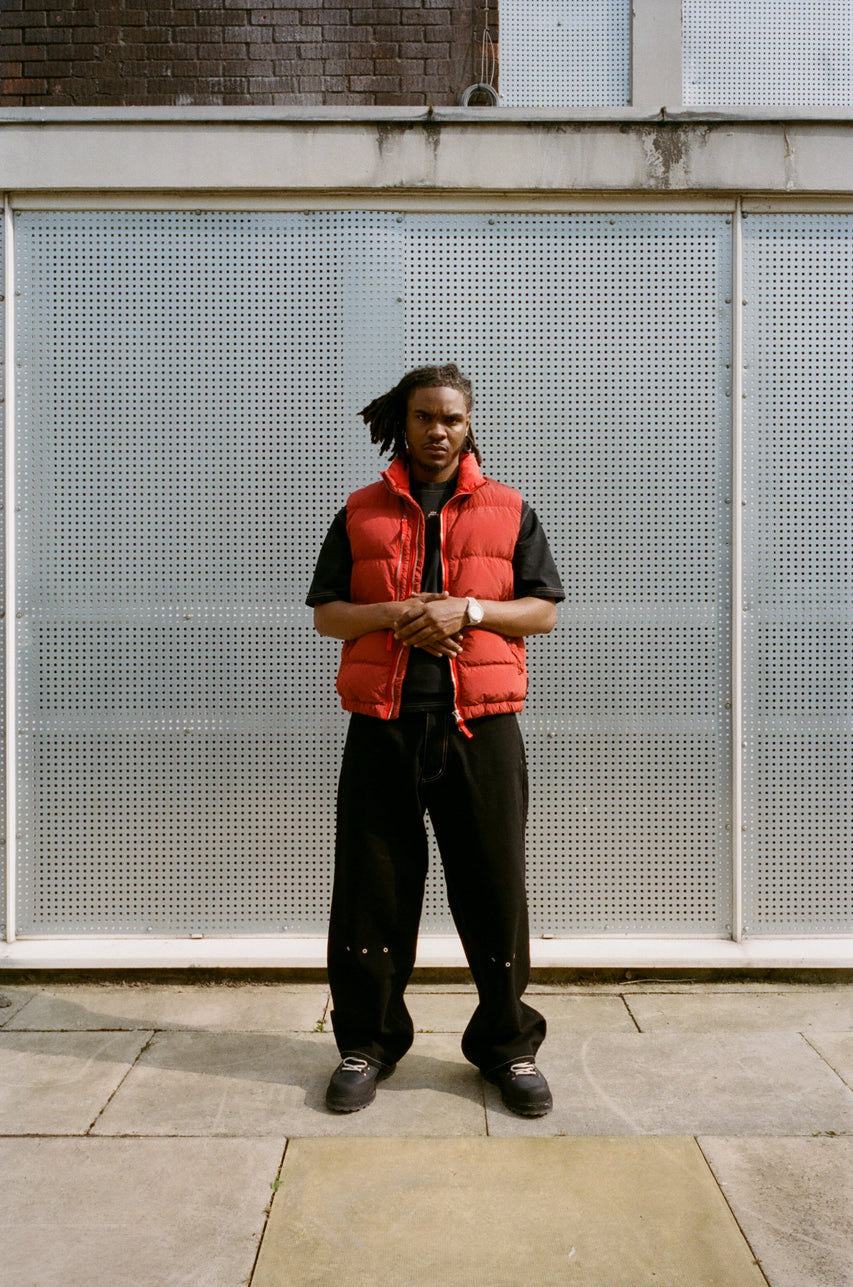
If you haven’t already tapped into Pozer’s world, now’s the time to get familiar. Coming out of South Norwood, the South London rapper has built a sound that feels inseparable from the place that raised him: multicultural, community-driven and constantly changing. Pulling the bounce of Jersey club into the colder edges of London rap, Pozer leaves space for his voice to sit front and centre, moving between humour, grief, ambition and the realities of watching both your surroundings and your life transform in real time.
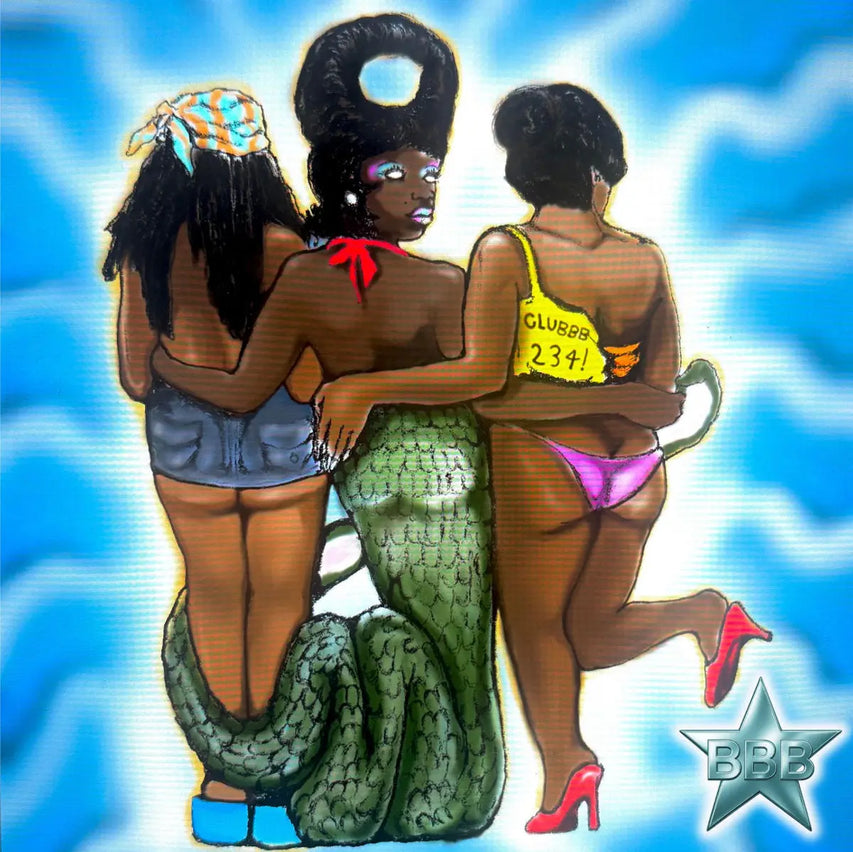
After “Kitchen Stove” and “Malicious Intentions” introduced him to a much wider audience, Crossroads gives us something deeper. Described by Pozer as the meeting point between his life before music and whatever comes next, the project opens up the person behind the momentum. There’s childhood and loss on “Lauryn Hill”, internal conversations on “Franklin Saint”, vulnerability on “Double Edged Sword”, and throughout it all, the kind of resilience that comes from learning to make something out of whatever is available to you.
Pozer’s got love for South Norwood even as he wrestles with what it means to return somewhere that no longer feels quite like the home he remembers. That tension runs through the conversation: belonging and isolation, success and responsibility, pain and humour, where he comes from and the mythology he wants to build around where he is going.
We caught up with Pozer to talk about Crossroads, growing up in South Norwood, finding safety behind the microphone, learning from AJ Tracey, building with Kerchak, the psychology behind his samples and why, beyond everything else, he wants his music to leave people with belief and hope.

For anyone getting familiar, who is Pozer, and what do we need to understand about South Norwood to understand you?
Pozer is a young black artist from the south of London, South Norwood, to be specific. South Norwood is multicultural, it's very diverse and community driven.
What was playing around you growing up, and when did you start feeling like you had something of your own to contribute?
A lot of artists! My mum listened to Beyonce, Rihanna, lots of rappers - Max B, 2Chainz, Lil Wayne. Drake, Kendrick, Timberland, Nelly Furtado. T Pain. And lots of different genres - garage, jungle, drum and bass, house, funky house. My mum was young, so she showed me lots of different artists. Like she showed me about Biggie and Tupac. She told me about Aaliyah dying. She showed me Missy Elliott, the pop culture and the entertainment world.
I didn’t think about making music until I was 21/22. I never thought about music outside of how you would think about computer games. I could play them, but you'd never think how I could make one. I think writing as a whole has always been fun for me because I like English. But at the age of like 20, after lockdown, is when I thought I might as well try.
You’ve called Crossroads a meeting point between your life before music and what comes next. What’s been the hardest part of moving between those two worlds?
People and having to keep myself disciplined.
Self-control and people management are the two main things because obviously the fame, the money, and the notoriety and everything, it will have people build up their own imagination about what's really going on in it. And then how much that they feel they're entitled to based off of friendship or just knowing me or family. So it's making me see a lot of people's true colours. At the start, yeah, I was like, "This is cliché. This is mad cliché.” Like my friends not fucking with me. And you just start feeling like, like, no way, this legendary feeling is a movie. Like no way people actually behave like this.
Then obviously when I first started, I thought money grew on trees, so it was like when you get here, and you realise, you actually gotta put in some legwork and make the thing move and have ideas and have, you know a message to convey and display and everything. I found I had to set new goals. If I didn't set new goals, I don't think I'd be here now.
“Kitchen Stove” and “Malicious Intentions” introduced you to a lot of people very quickly. What did you want this first full project to reveal that those singles couldn’t?
Depth and substance in me as an individual and to build the myth within my brand.
Your music brings Jersey club bounce into the colder sounds of London rap. What first drew you to that rhythm, and how did you find your pocket within it?
I always had this thing where I felt like nobody listened to me until I got mad. And then the jersey beat is so quiet that all you can hear is me. The beat is kind of on a metronome, it’s kind of like your heartbeat and has that hypnotizing thing about it. When I listen to Jersey, it's refreshing because it's like you can really hear me.
There’s something powerful about hearing difficult experiences over a beat that makes you want to move. What does that combination allow you to express?
For me, it's anguish, it's sorrow. So this is the outlet. This is the only outlet that I have for any type of sadness.
You open the tape with “Lauryn Hill”, touching on childhood, grief and the people around you. Why did that feel like the right place to let listeners in?
Anything up until I dropped Crossroads kind of felt like a single. It was kind of like quick food. It's nice, but it's quick food. So when I made Lauryn Hill, especially because of some of the things I'm talking about in there, it's like I wanted people to hear it. A song like Lauren Hill. provided the “get to know”, something with substance value for the actual listeners.
On “Double Edged Sword”, you talk about saying you’re fine when there’s more happening underneath. What makes something easier to say in a song than in a conversation?
There's no response. The microphone's not gonna talk back. And it's not gonna judge you either. It's not gonna throw it back in your face. It's a lot safer than talking to people.
The “Franklin Saint” video puts you face to face with another version of yourself. How did you develop that idea, and what made Amsterdam the right setting for it?
The whole reflection thing, draws from the tv show, but also as well where I implemented the segment of the song. It was very conversational. I have this ‘both sides of the spectrum’ thing when I rap. Like I'll give you the yin and yang of whatever subject or theme I'm talking about. So where I was talking in two different perspectives, it kind of just made it convey the message better of what I was really feeling. It's like talking to your conscience.
Amsterdam. It's a beautiful city. It's a beautiful place. We shot in one hotel for the whole day. I ran around all day filming, and it was good. I go there a lot as well, so it's kind of like a second home.
You’ve described watching food shops and barbers disappear from your area as it changed. Which places made South Norwood feel like home, and what gets lost when they go?
There's so much stuff gone, I can't even remember - Soco Cheetah, Ju-ice & Shakes, Corner Fish Bar, Belly Full. These places hold no significance, other than being like shops within the community. But for me it's the essence of the people.
For example, when I go back to South Norwood, it's changed. Like, not the same people lived there, and it's not the same. It's not the same narrative. We're not doing the same things as it was 10 years ago, and that's down to just everything. You know, times change. What I feel like you lose when things like that close is you lose your area. You lose your home. Like I can go back to South Norwood now. It doesn't feel like the South Norwood that I grew up in, and it's not. I feel like a nomad.

Your line about making do without a scale has become a wider philosophy about using whatever resources you have. How did that mentality shape your earliest music?
For example, my music journey. I used to record with one of my friends on his computer, but his computer was broken, so it was like he'd record it out of time and we'd have to slip it in time. But yeah, my music journey hasn't been steady. I used to just get up and do certain things. But my journey has been weird. Like if I didn't have an iron resilience and a weird, profound feeling of not being with everybody else, then I don't think I'd be here. Yeah, if I felt like I belonged with people, I'd just go and live like a normal person. But because I have a mad disassociation with people, and there's just normal goings on, and that even down to like my family and that, it makes my music and my drive for it mad heavy. So that's all I save in it. That's all I got, man. Here is that.
AJ Tracey has been both a supporter and a collaborator. What’s something you’ve learned from being around him that you couldn’t have picked up just by listening to his records?
You have to be a normal person. Like obviously, AJ’s from the ends. He's from the ends. I used to look up to him and I listened to a lot of his music when I was growing up. And when I met him I was looking for role models because there's no one to look up to in the ends. So when I see him I just take the gems. He always gives me proper advice, like I could call him now if I wanted to. But he's got a very calm, laidback manner to his work, but it's with cut precision. Like he can have fun all day in the studio, but the work's getting done to a T. So I kind of try and take that more than anything. Like his ethic and like his manner of turning up and being present, and then he pulls into the music.
On “Ghetto Jazz”, you connect with Kerchak. Where did you find common ground, and what did he bring out of you creatively?
When I met him, I was very early into the music thing, and it was just after ‘Kitchen Stove’, so my socialising skills were in the ground, so when I met him, it was good because we could relate on foolishness outside of music. He would show me a lot about Paris. And then two years into us knowing each other, he came to England and we went to the studio and we made ‘Ghetto Jazz’.
“Jersey King” flips Blood Orange’s “Champagne Coast”. What caught your ear in that song, and how do you know when a sample has room for you to take it somewhere else?
What caught my ear is the vocal. It's like ear candy. Stuff that will make you smile, your ears prick, hair stand up, stuff like that. I'll implement it. I'm not ramping. It’s past your control. It's in your nervous system. So when I heard that, I knew I wanted to sample it. When I pick the samples, it’s also got to be on par with my brand as well. My fans like to see kind of niche ambient sounds. I like to pick samples as well that people won’t expect. But sometimes I fix stuff and it goes over people's heads. But the Blood Orange sample was just a good shout. It's a very good shout.
There’s humour in your writing even when the subject is heavy. Does that come naturally from how people around you tell stories?
It’s how I tell stories, because if not, I'll go mad. So I'm being a little cheeky. It’s just the many layers of the onion that South Norwood made. So it's me being cheeky, taking the piss in the bars. People love and hate it because it's funny. My banter's impeccable, so I just have the ability to kind of put funny little quips in. I'll make you think of something that you're laughing at because of how I said it, but you shouldn't be.
From performing on Jools Holland to winning a MOBO, which moment made this change in your life feel real? Who did you want to share it with first?
The MOBO, I took my mum. She loved the after parties.
You’ve described this tape as “charging up music” for people heading into work or getting through a night shift. What music has done that job for you?
I listen to Soul, like I'll listen to Isley Brothers or Roy Ayers or even like Minnie Rippleton. I'll listen to something mad smooth, cause it will take my mind elsewhere. And then after that, I'm on autopilot. Like the players left the controller now. It's just doing what it needs to.
You’ve mentioned wanting to build something on the scale of Master P. What interests you about his example, and what would you want to build beyond your own music?
I want the level of understanding that his fanbase had of him. Every successful person has that in their folder, that their fan base knows them, wants to believe in them. You have to get to a point of being able to depict and visually, verbally, the five senses, sound, touch, smell, all of this other stuff you have to be able to convey it. I just want my message to hit, and Master P was just an inspiration because his following was just so real.
People like Master P, even the Nujabes, the MF Dooms, like a lot of these people were part of collectives before they got big on their own and did this and did that, and then they shaped the scene. But it all started with the cult following and the people who wanted to believe and they wanted to consume what you put out essentially.
If someone from South Norwood hears Crossroads while figuring out their own next move, what do you hope stays with them after “Common” finishes?
That the hope stays with them. That if it can happen to me, that you can make it. What I hope stays with you is belief and hope in your situation. I'd say for people to just believe, hope, and use my music as a blueprint for where you can see yourself in however many years. Learn from my mistakes.
For all the mythology Pozer wants to build around his name, Crossroads ultimately brings things back to something much more human. Behind the Jersey rhythms, sharp punchlines and growing profile is someone using music to process the things he finds harder to say anywhere else, while trying to understand what success changes, what it leaves behind and who gets to come with you.
South Norwood may not feel exactly like the place he remembers, but its imprint is everywhere: in the humour, the resourcefulness, the resilience and the instinct to keep moving even when there is no obvious route forward. If Crossroads is a meeting point between the life Pozer knew and the one he is building now, the message he wants to leave behind is simple: believe there is somewhere else you can go. Learn from the mistakes, use what you have and keep the hope alive. Step inside Crossroads.