Get Familiar: Slimfit
Get Familiar: Slimfit
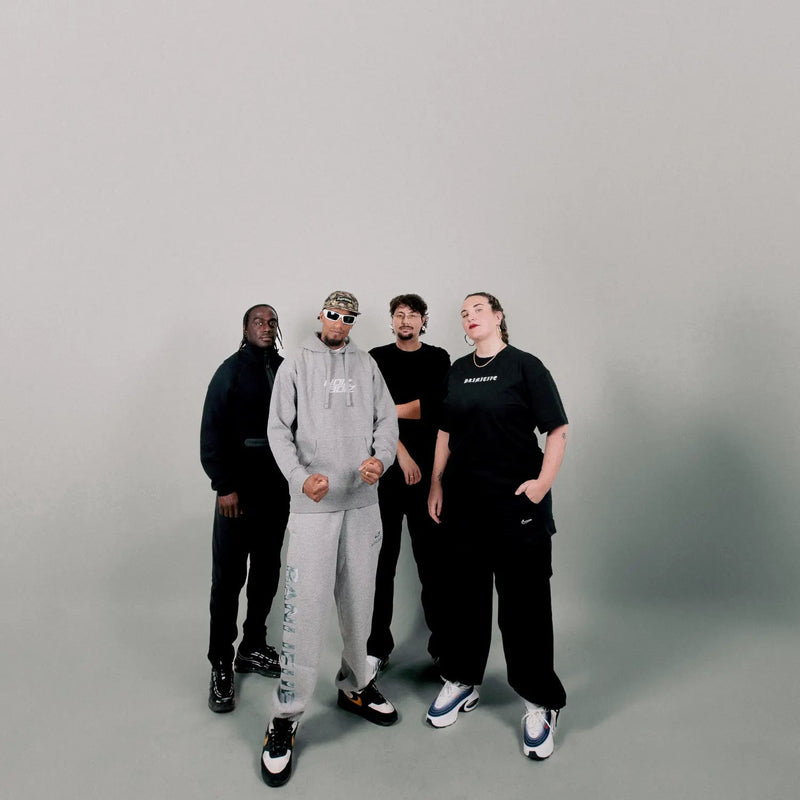
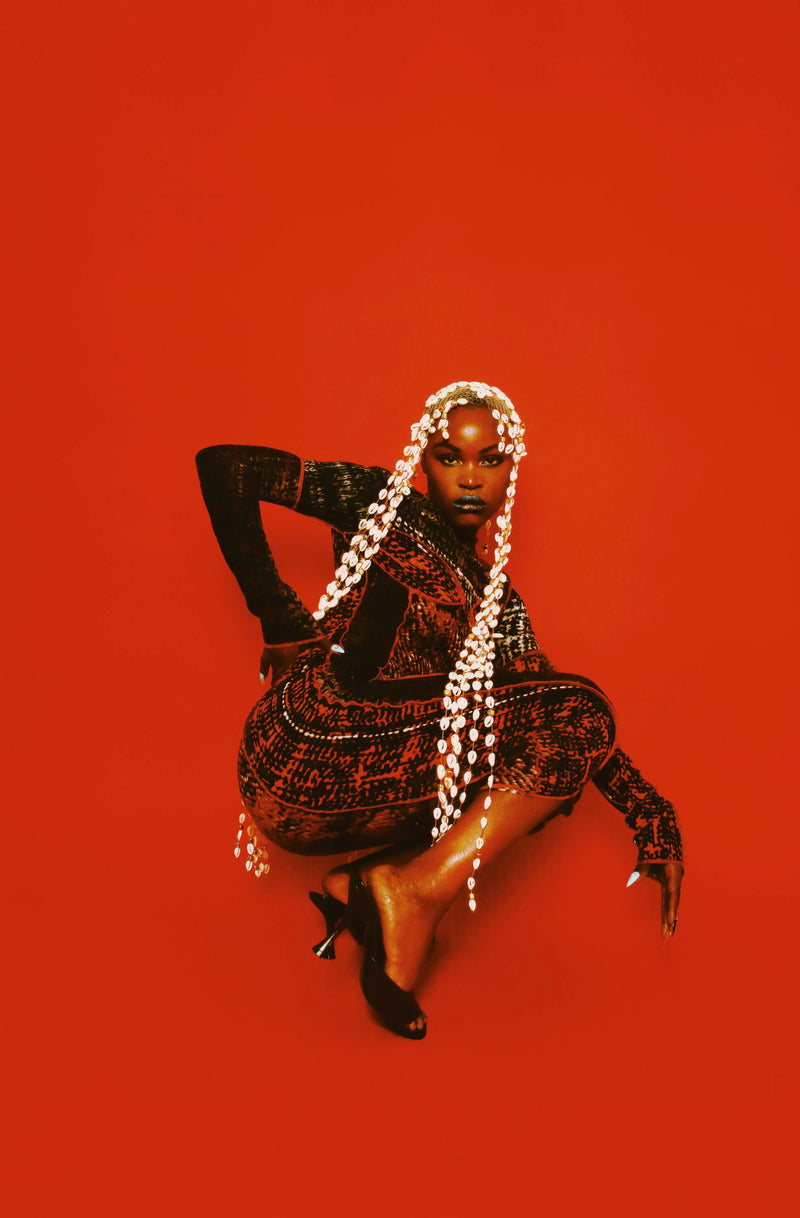
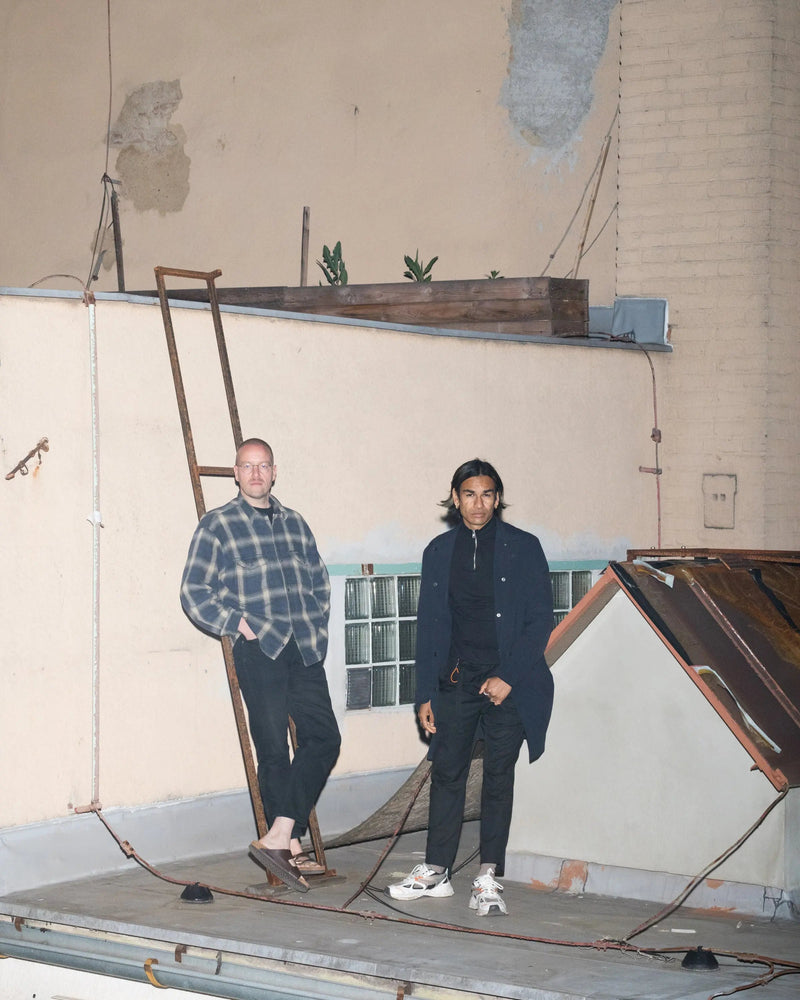
Interview by Passion DzengaRaised on soul, funk, punk, and the sounds of Suriname, Amsterdam-based artist Slimfit (Sammie Tjon Sien Foek) grew up in a home where The Cure played alongside Afrocaribbean classics, and LimeWire rabbit holes turned into early sonic education. Before ever stepping behind the decks, they were already building worlds—collecting obscure tracks, experimenting across disciplines, and shaping an ear sharpened by both Western and Afro diasporic influences.Their entry into Dutch nightlife came through Red Light Radio, a chance set that caught the right ears and opened the doors to Amsterdam’s rave ecosystem. From working the door at Garage Noord to becoming a fixture in contemporary club culture, Slimfit has always absorbed the scene from every angle. Today, their sets erupt with high-tempo emotion: Latin percussion, Afro-electronic rhythms, dramatic vocals, and a rave aesthetic that brings play, camp, and chaos back into techno’s often serious spaces.But Slimfit ticks many boxes—they’re a multidisciplinary artist, a thinker, and an advocate. Their work in nightlife is inseparable from their politics: pushing for equitable lineups, safer club environments, fairer fees, and solidarity structures that support marginalised communities. For them, sound is intuition, resistance, and connection all at once. In this conversation, Slimfit speaks about their roots, the evolution of the scene, and why the future of rave culture must be both louder and more caring.What music filled your home growing up?My dad—he’s Surinamese—played soul, funk, rap, the classics, plus Surinamese music. My mom was into The Cure and punk. I learned all the “golden oldies,” and as a teen, I dug deep on LimeWire and YouTube, hunting obscure tracks and making playlists in my room.Victor Crezée was one of the first to book you. What were those early experiences in Dutch nightlife and beyond?I started DJing about eight or nine years ago. One of my first breaks was a guest slot on Red Light Radio through a London–Amsterdam program. Vic heard that show, loved it, and connected me with Patta Soundxystem. Around the same time my first agent/manager, Mo, found me — I worked with him for many years, and he played a huge role in supporting and shaping my early trajectory. I got booked for Applesap, and I gradually shifted from a hip-hop/new wave/punk background into a more rave-leaning aesthetic. I also worked the door at Garage Noord for about a year—that scene shaped a lot of my influences.Why radio? Were you already making mixes?Totally—I had strong ideas about sets and mixes and kept building “potential” playlists from niche internet collectors. I was hungry for a radio show, had tons of music ready, and a clear concept of what I wanted people to hear. It happened to line up with Vic’s taste.You’re multi-disciplinary. Where does music sit among your practices?Everything I do is informed by sound—film, performance, graphic design, sound design. I studied photography and philosophy, but it all converges in audio. Sound is my intuition.Slimfit is the name people know you by in music, and your other work sits under your real name?Yes. I keep a portfolio under my own name (video, performance, design, drawings). I’m also finishing a master’s at the Sandberg Institute.How do you stay motivated across so much?I’m obsessed with getting what’s in my head into the world. I have scattered interests, constant inspiration, and a big ambition that keeps me moving—but I’m still learning how to pace myself and not do everything at once.Practical advice for artists trying to “do it all” and stay healthy?Sobriety (especially on the job) helps me stay clear. Surround yourself with grounded people who truly check in on you. I’ve just started going to the gym, and I meditate—my mom’s best friend is a Zen teacher, so I grew up around that. Finding silence amid subwoofers is key.You’ve become more socially engaged. Why do nightlife and activism merge for you?Club culture was built by people of colour seeking resistance and community. That political awareness is embedded in electronic music and rave spaces where initially marginalised identities used to gather for psychological relief and self-expression. My dad’s social work and left-wing politics background also shaped me. If we want safer, freer dance floors, we need to be politically aware and critical of the industry’s capitalist realities.What has changed in the scene since you started?It was very male-dominated; all-male lineups were normal. Awareness grew, and more women and people of colour got booked and curated—especially in the underground. There’s still work to do: commercial lineups often position POC people, queers, and women as openers. But we’re more than props for diversity — whole generations before us have built this scene.Can commercial ecosystems support underground/marginalised communities without tokenising them?No, I think that’s impossible if money pressures push events towards private equity and morally questionable financial partnerships. One alternative is building solidarity mechanisms into programming. During the KKR/Milkshake boycott (which I helped initiate alongside many artists and a broader movement), we launched RUIS—Reimagining Us in Solidarity—normalising fundraisers at larger events and proposing ethical advisory structures so donations are built into the night, not an afterthought.Are union-like structures part of the answer?Yes. With funding cuts and precarious nightlife economics, alternative organisation matters—mutual aid funds where artists contribute monthly and can draw support during illness or crisis. We need networks where artists can refuse exploitative money and still survive.Fees, fairness, and “artist care”?Equal-pay approaches simplify programming and reduce hypocrisy. If artist care is strong—dinners, mental-health spaces, genuine hospitality—you don’t need extreme fees to feel valued. Treat people like royalty and the money conversation gets easier.How important are safe spaces—both for you as a performer and a dancer?Non-negotiable. I can be expressive and sexy on stage, and I want femmes to dance freely without fear. If you do drugs, do it safely with people you trust. Dark rooms should be monitored. Unsafe spaces are traumatising—I don’t want to go back to that.Golden rules for keeping artists safe in the booth?Don’t touch without consent. Respect personal space and focus. Performing is part of my concentration—don’t ask for drink orders or requests mid-mix. Safety riders matter: have a manager check in every 20–30 minutes; deploy floor/club angels to monitor the crowd, especially when intoxication escalates behaviour.Is safety only the club’s job, or also the crowd’s?Everyone’s. Check on your friends; take them outside if needed. Hedonism can mask deeper issues. Community care reduces escalations.How would you describe your sound to someone who hasn’t seen you?High-tempo, emotive, harmony-driven, dramatic vocals, lots of rhythmic variety—Latin American and African diasporic influences (think neoperreo, gqom) woven into rave energy. I missed fun, camp, and hips in monotone techno, so I bring drama and play back into the rave. Outside the club, I love experimental/left-field—Arca, FKA twigs, even noise.Are you intentionally bridging serious techno spaces and playful queer energy?Yes. Purists safeguard culture, but artists can fuse worlds. I’ll play fast “TikTok-techno” rooms and slip in niche genres to widen ears—teaching through selection while being open to new iterations.Any anthems or artists that captured your story this year?Wanton Witch. She blends club, bass, and Asian tonalities in ways that resonate with my own Chinese-Creole roots—my great-grandfather moved from China to Suriname. Her tracks feel like that journey.How important is the representation of diasporas on the dance floor?Hearing your culture loud in a club is powerful. I try to program in ways that let people feel “seen” for a moment—like they’re the superstar.If Slimfit were a dish?A Sichuan dish—mouth-numbing, punchy, salty, spicy, refreshing.And if Slimfit scored a film?Under the Skin—a seductive, alien coming-of-age into something strange and monstrous. Luring you into an absurd world.